
When dealing with commercial plumbing compliance for ankeny & metro restaurants, prompt action and strict adherence to Iowa plumbing standards are critical. Our licensed master plumbers recommend immediate isolation of active hazards, following code-compliant diagnostic steps, and scheduling a professional on-site evaluation before minor plumbing vulnerabilities escalate into structural property damage.
Strict Plumbing Codes for Food Service Establishments
Operating a successful restaurant, cafe, or commercial kitchen in Ankeny or the Des Moines metro demands rigorous adherence to public health, safety, and municipal wastewater regulations. A single health code violation or sewer backup during a Friday dinner rush can shut down your kitchen, ruin your reputation, and cost thousands of dollars in lost revenue.
Plumbing Ankeny is the trusted commercial plumbing contractor for food service establishments across Central Iowa. Here is what restaurant owners must know regarding compliance.
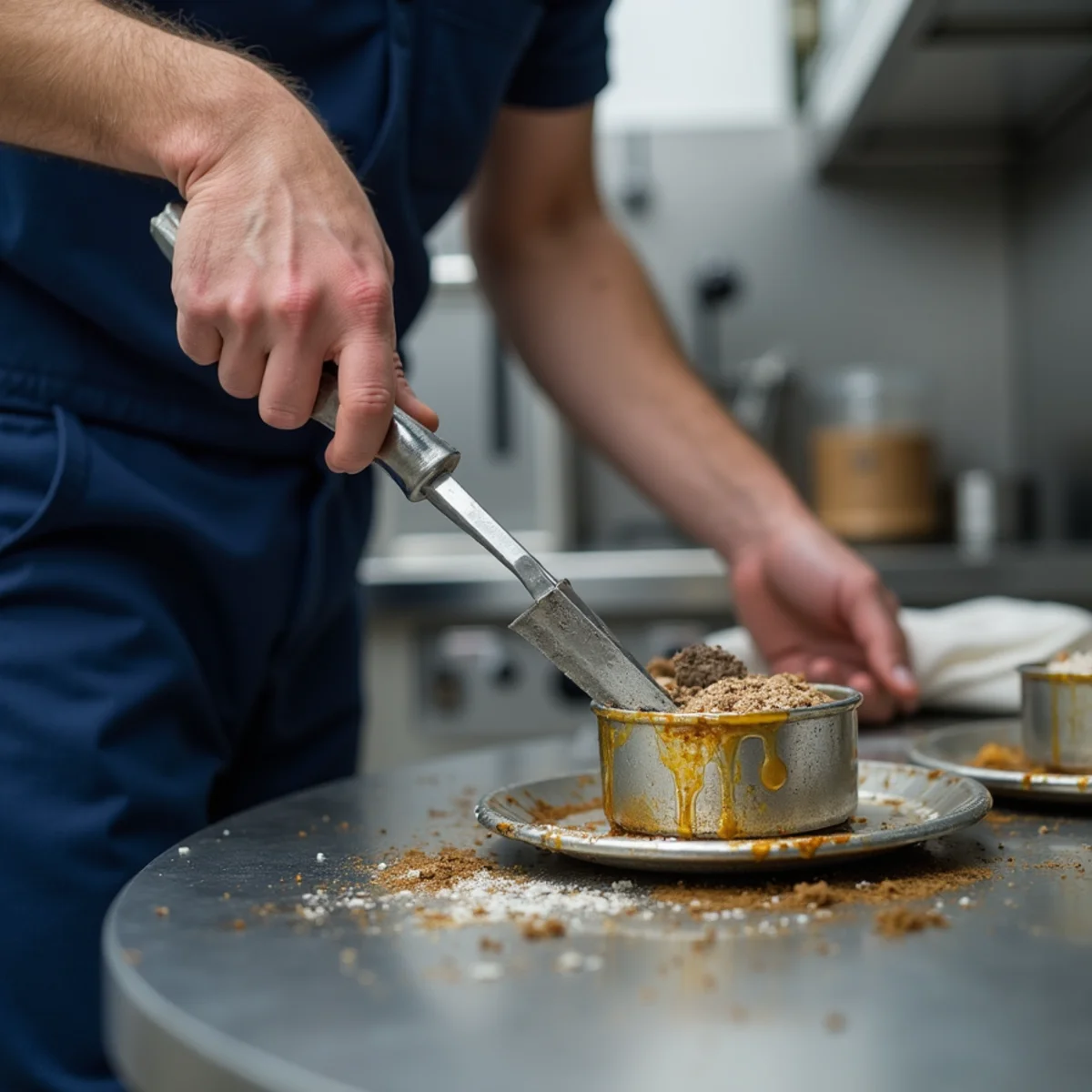
1. Grease Interceptor & FOG Management
Municipal regulations in Ankeny and Des Moines strictly prohibit discharging Fats, Oils, and Grease (FOG) into the sanitary sewer system. Commercial kitchens must be equipped with properly sized hydromechanical grease interceptors or large exterior gravity grease traps.
Routine maintenance and high-pressure hydro-jetting are essential to keep lateral lines free of hardened grease blocks and prevent catastrophic backflow.
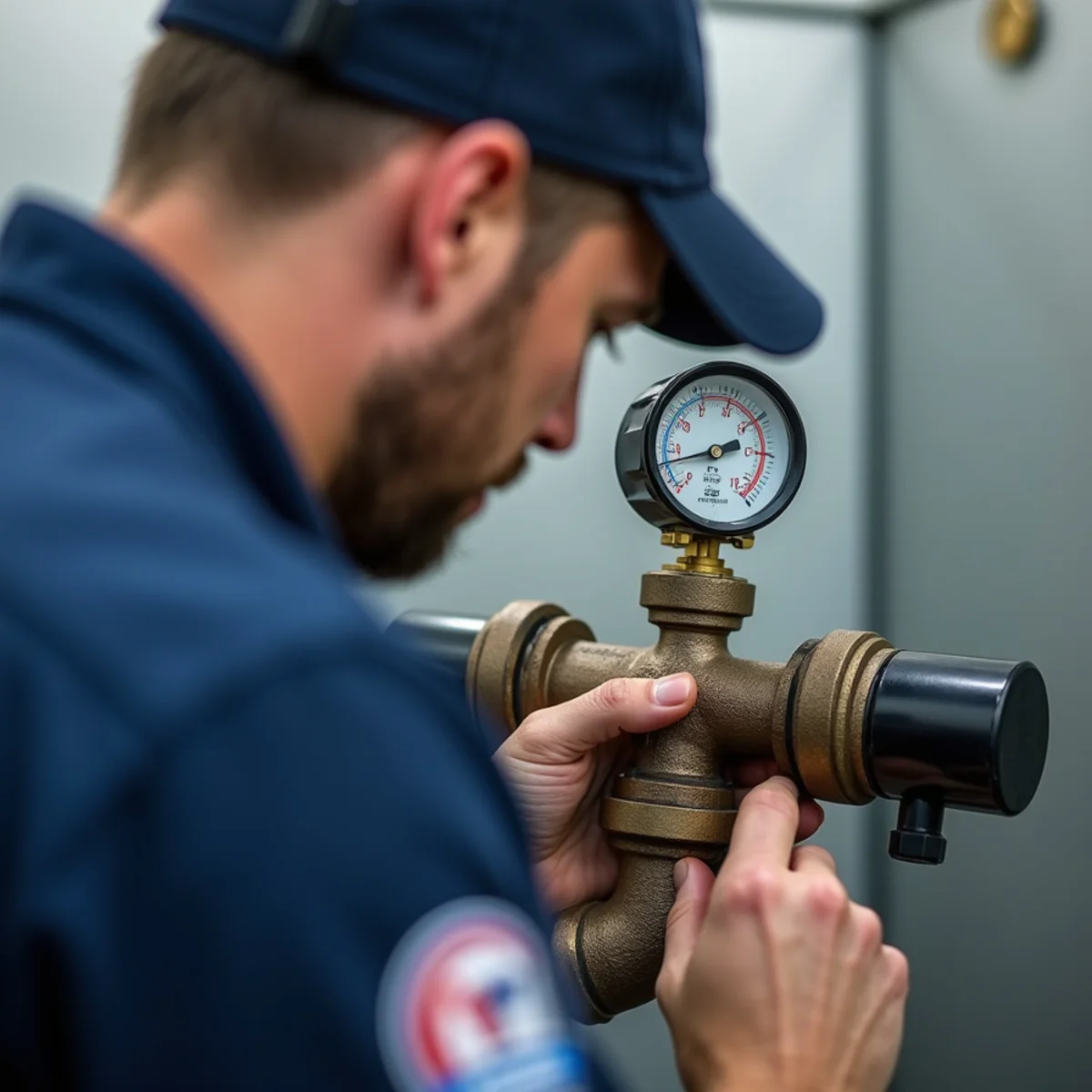
2. Annual Certified RPZ Backflow Testing
Commercial kitchens feature numerous cross-connections where potable drinking water connects to non-potable equipment—including commercial dishwashers, soda fountain carbonators, espresso machines, and steam tables.
Iowa law mandates annual testing of Reduced Pressure Zone (RPZ) backflow assemblies. Our certified backflow technicians test, repair, and file official certification paperwork directly with municipal water authorities.
Priority Commercial SLA with Plumbing Ankeny
We offer scheduled evening and early-morning service windows to perform hydro-jetting, water heater maintenance, and fixture repairs without disrupting your dining room or kitchen staff. Call (831) 290-4327 to establish a commercial service plan today.

Iowa Department of Inspections and Appeals (DIA) Plumbing Mandates
Health Code Compliance for Three-Compartment Sinks, Air Gaps, and Handwash Stations
Operating a successful restaurant, cafe, or commercial food service establishment in Ankeny or the Des Moines metro requires strict compliance with the Iowa Department of Inspections and Appeals (DIA) and local municipal health codes.
Health regulations mandate that all food-contact sinks, ice machine drains, and steam tables discharge through indirect waste lines featuring an approved physical air gap (at least twice the effective diameter of the drainage pipe) above the rim of a floor sink. This prevents contaminated city sewer wastewater from ever backing up into clean food prep equipment. Dedicated handwashing sinks with continuous hot water (at least 100°F) must also be located within 25 feet of all food prep areas.
Grease Interceptor Sizing, Flow Control, and PDI-G101 Standards
Preventing Municipal FOG Fines and Catastrophic Kitchen Pipe Clogs
Fats, Oils, and Grease (FOG) introduced into commercial kitchen drains solidify rapidly inside municipal sanitary sewers, creating colossal blockages known as 'fatbergs.' The City of Ankeny and Des Moines Metropolitan Wastewater Reclamation Authority (WRA) enforce rigorous grease interceptor regulations.
Under Plumbing and Drainage Institute (PDI) G101 standards, commercial hydromechanical grease interceptors (HGI) must be precisely sized based on the total fixture unit flow rate (GPM) of dishwashers, pot sinks, and prep stations, paired with vented flow-control fittings. Routine quarterly maintenance logs, grease trap pumping, and annual inspections protect your business from costly municipal compliance citations and emergency kitchen shutdowns.
Central Iowa Building Codes & Master Plumber Standards Compliance
Plumbing work across Ankeny, Des Moines, and Polk County must comply strictly with the Iowa Uniform Plumbing Code (UPC) and local municipal amendments. Whether addressing emergency water leaks, replacing aging water heaters, or repairing subterranean sewer laterals, unpermitted work or DIY shortcuts can void homeowner insurance policies and create serious safety hazards including toxic sewer gas leaks and combustion backdrafting.
Plumbing Ankeny operates under Iowa Master Plumber License #0038924. Our certified technicians carry $2,000,000 in liability coverage, pull all required municipal permits, and coordinate required city trade inspections directly, ensuring your home remains safe, code-compliant, and protected for years to come.
Central Iowa Homeowner Action & Diagnostic Matrix
Stage 1: Hazard Mitigation
Shut off local fixture valves or the main building shut-off near the water meter. Turn off electrical circuit breakers if standing water is present.
Stage 2: Diagnostic Scoping
Deploy calibrated digital pressure gauges, fiber-optic sewer cameras, or acoustic leak detectors to verify root causes without unnecessary demolition.
Stage 3: Permanent Resolution
Execute permanent repairs using Type-L copper, ASTM F1960 PEX-a expansion, or CIPP epoxy liners backed by our 1-year parts and labor warranty.
Frequently Asked Questions
How often must commercial backflow preventers be tested in Iowa?
The State of Iowa and City of Ankeny legally mandate that all commercial cross-connection backflow devices (RPZ and double-check valves) be tested and certified annually by a licensed tester.
What temperature must commercial restaurant water heaters maintain?
Commercial dishwashing sanitizing rinse cycles typically require 180°F hot water, achieved through dedicated commercial water heaters or high-output booster coils.
What is an indirect waste air gap and why is it mandatory in commercial kitchens?
An air gap is an unobstructed vertical air space between the drain pipe outlet and the flood-level rim of a receiving floor drain. It makes it physically impossible for backed-up sewer water to enter commercial ice machines, steam tables, or prep sinks.
How often must commercial RPZ backflow preventers be certified in Polk County?
Iowa law and municipal water utilities require all commercial Reduced Pressure Zone (RPZ) backflow prevention assemblies to be tested and certified annually by a state-licensed backflow tester.
Can a restaurant continue operating if its commercial hot water system fails?
No. Local health department codes require immediate cessation of dishwashing and food service operations if water temperature falls below mandatory sanitizing minimums (typically 110°F for washing and 180°F for high-temp sanitizing rinses).