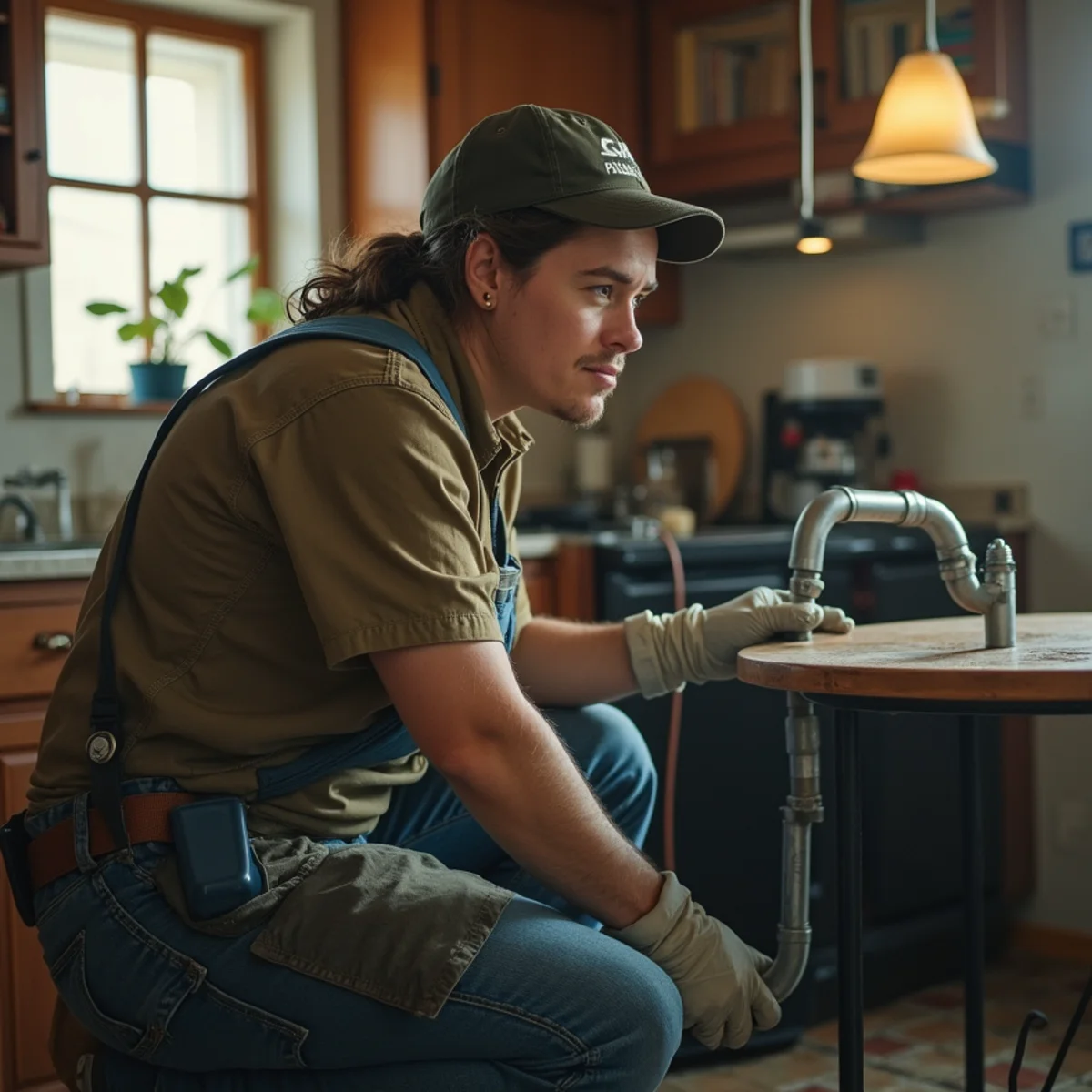
When dealing with sewage backing up? emergency steps for ankeny homeowners, prompt action and strict adherence to Iowa plumbing standards are critical. Our licensed master plumbers recommend immediate isolation of active hazards, following code-compliant diagnostic steps, and scheduling a professional on-site evaluation before minor plumbing vulnerabilities escalate into structural property damage.
The Biohazard in Your Basement: Acting Fast and Safe
Discovering dark, foul-smelling wastewater bubbling up through your basement floor drain or toilet is every homeowner's worst nightmare. Unlike clean supply water leaks, raw sewage (classified as Category 3 'black water') carries dangerous microbial contaminants, including E. coli, Salmonella, norovirus, hepatitis, and parasites.
When a sewer backup occurs, quick thinking is vital to protect your family's health and prevent contaminated water from spreading into carpeting and finished basement walls.
Step 1: Cease All Water Usage Across the Entire Property
The moment you suspect a sewer backup, institute an immediate household water shutdown. Do not flush any toilets, do not run showers or sinks, and cancel any active dishwasher or washing machine cycles.
Your home's drainage network operates by gravity, flowing toward the main building drain. If that main line is blocked by tree roots, grease, or a municipal surcharge, any water you introduce upstairs has nowhere to go and will immediately regurgitate out the lowest floor drain or basement shower.
- Halt all toilet flushes, showers, and laundry immediately
- Evacuate children and pets from the contaminated lower level
- Turn off electrical breakers powering flooded basement rooms
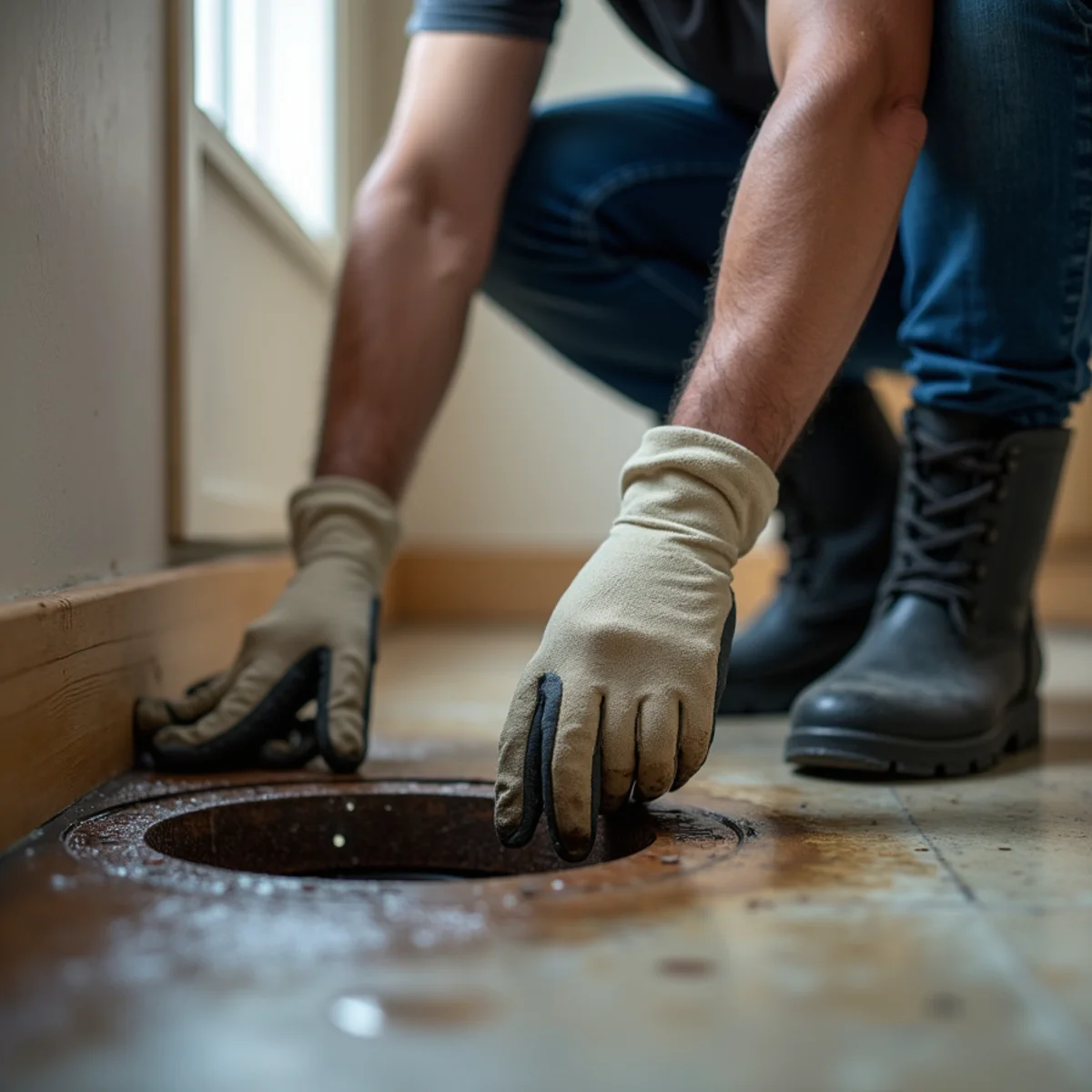
- Never walk through raw sewage without protective rubber boots and gloves
Step 2: Relieve Hydraulic Pressure via the Outdoor Cleanout
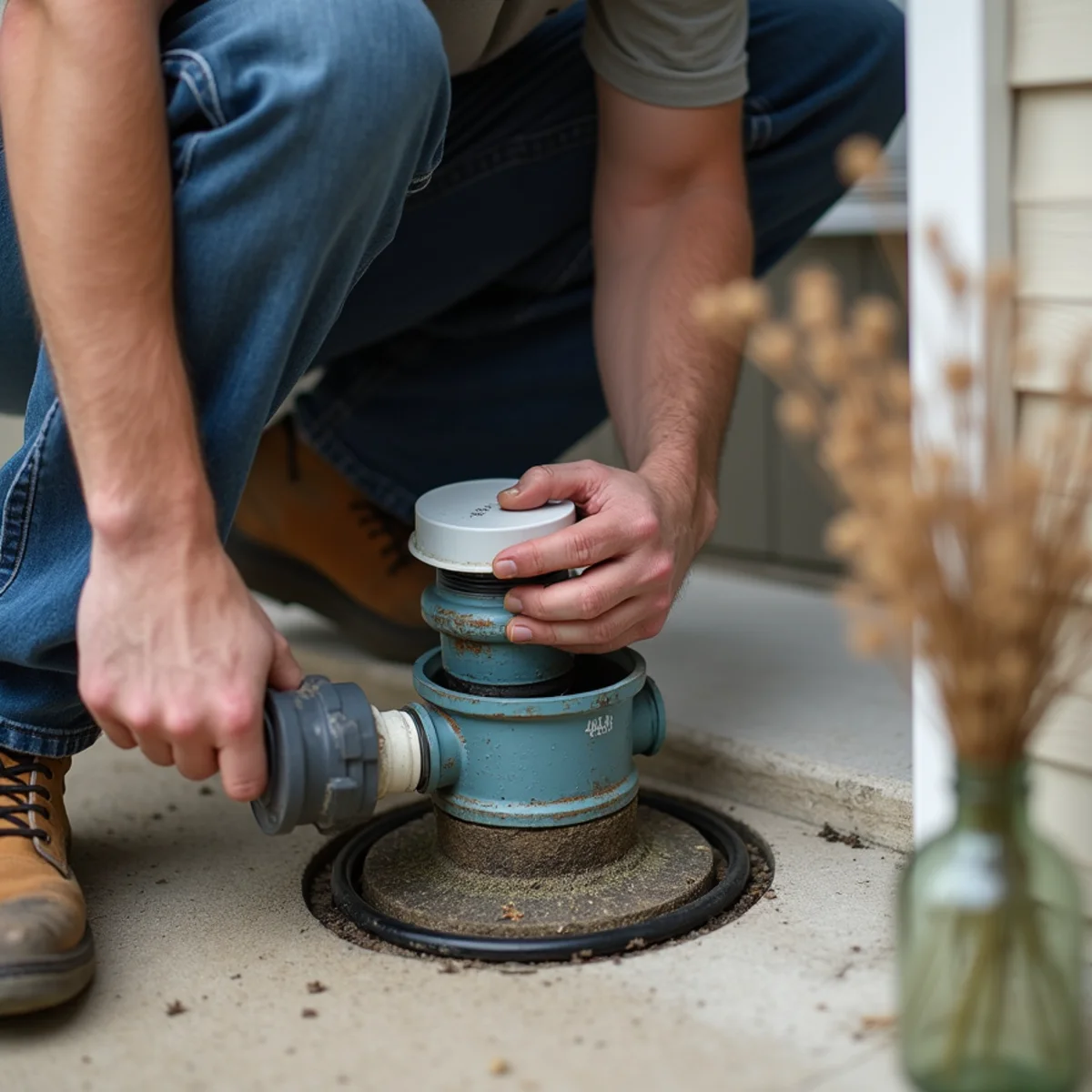
If your home has an exterior ground cleanout (a white or black 4-inch PVC pipe with a threaded square cap located near your foundation in the yard), unscrewing this cap can provide temporary relief. Opening the cleanout allows pressurized sewage to escape harmlessly onto your lawn rather than backing up inside your finished basement.
Be careful when loosening the cap, as trapped air and wastewater may be under hydraulic head pressure.
Step 3: Call Plumbing Ankeny for Emergency Hydro-Jetting
Clearing a main sewer backup requires commercial equipment. Hand-cranked snakes cannot clear heavy root balls or collapsed lines. Plumbing Ankeny arrives with continuous-feed mechanical augers and 4,000-PSI hydro-jetters that blast through blockages to restore drainage in minutes.
Once the standing sewage drains, we run a high-definition color camera through your lateral to inspect the pipe walls and identify the root cause of the failure.

Master Plumber Insight: Class 3 Blackwater Biohazard Protocols
Protecting Your Family from Pathogens, Parasites, and Sewer Gas
Raw sewage backing up into an Ankeny basement is classified under IICRC standards as Category 3 'Blackwater.' Unlike clean water line leaks, sewer backups contain pathogenic bacteria (such as E. coli and Salmonella), harmful viruses, and parasitic protozoa. Exposure carries severe risks of gastrointestinal and respiratory illnesses.
Never attempt to mop or shop-vac raw sewage without donning impermeable nitrile gloves, boots, and N95 or respirator face protection. Furthermore, sewer backups release toxic sewer gases—including methane and heavier-than-air hydrogen sulfide—which accumulate in unventilated basements and present flammable and asphyxiation hazards.
Our emergency response team immediately clears line obstructions, isolates biohazards, and utilizes high-resolution video camera equipment to pinpoint the exact structural point of failure.
Preventing Recurrent Backups: Automatic Backwater Valves vs. Cleanout Plugs
Engineered Mechanical Solutions for Central Iowa Low-Lying Homes
For homes located in older Ankeny subdivisions or low-elevation valleys near Saylorville Lake and Fourmile Creek, torrential downpours can overwhelm municipal sanitary sewers. When city mains surcharge under hydrostatic pressure, raw municipal wastewater is forced backwards into residential basement floor drains and toilets.
The ultimate code-approved protection is an engineered backwater valve. Installed directly into your main building drain, this device features an automatic counterbalanced flapper that allows household sewage to exit freely toward the city main under gravity, but swings shut hermetically the millisecond wastewater attempts to back up into your home.
Central Iowa Building Codes & Master Plumber Standards Compliance
Plumbing work across Ankeny, Des Moines, and Polk County must comply strictly with the Iowa Uniform Plumbing Code (UPC) and local municipal amendments. Whether addressing emergency water leaks, replacing aging water heaters, or repairing subterranean sewer laterals, unpermitted work or DIY shortcuts can void homeowner insurance policies and create serious safety hazards including toxic sewer gas leaks and combustion backdrafting.
Plumbing Ankeny operates under Iowa Master Plumber License #0038924. Our certified technicians carry $2,000,000 in liability coverage, pull all required municipal permits, and coordinate required city trade inspections directly, ensuring your home remains safe, code-compliant, and protected for years to come.
Central Iowa Homeowner Action & Diagnostic Matrix
Stage 1: Hazard Mitigation
Shut off local fixture valves or the main building shut-off near the water meter. Turn off electrical circuit breakers if standing water is present.
Stage 2: Diagnostic Scoping
Deploy calibrated digital pressure gauges, fiber-optic sewer cameras, or acoustic leak detectors to verify root causes without unnecessary demolition.
Stage 3: Permanent Resolution
Execute permanent repairs using Type-L copper, ASTM F1960 PEX-a expansion, or CIPP epoxy liners backed by our 1-year parts and labor warranty.
Frequently Asked Questions
Is raw sewage backup covered by standard Iowa homeowners insurance?
Standard policies typically exclude sewer backups unless you have added a specific 'Water Backup of Sewer or Drain' endorsement rider. We recommend having this coverage in Iowa.
Can I flush my toilet if the basement floor drain is bubbling?
NO! Stop all water use immediately. Every gallon flushed from upper floors will push raw sewage directly out of the lowest drain in your home.
Who is legally responsible when a sewer backs up into my Ankeny basement?
In Iowa, the property owner is responsible for the entire sewer lateral running from the house foundation all the way to the municipal main connection, including under the public street. If the backup is caused by a blockage in your lateral, you bear repair costs; if caused by a municipal main surcharge, city claims may apply.
Can I flush toilets or take showers during a partial sewer backup?
No. Any water introduced into your household drainage system will immediately divert to the lowest open fixture in your home—which is almost always your basement floor drain, shower pan, or lower-level toilet.
How does high-pressure hydro-jetting compare to mechanical cable snaking?
Mechanical cable snaking simply punches a temporary hole through tree roots or clogs. Hydro-jetting utilizes 3,500-PSI water jets that scour pipe walls 360 degrees clean, cutting roots flush and emulsifying heavy grease deposits for long-lasting flow.