
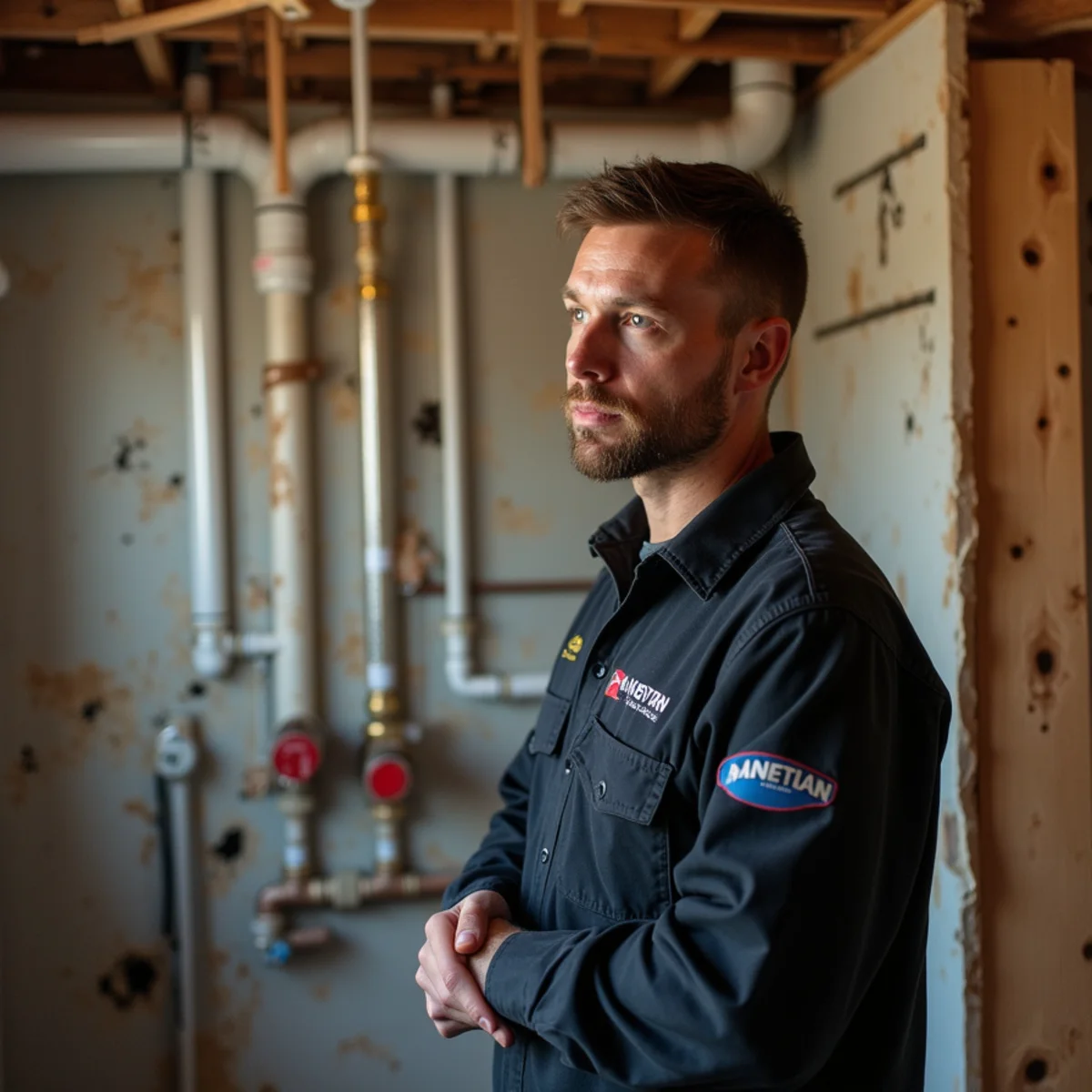
When dealing with does iowa home insurance cover frozen or burst pipes?, prompt action and strict adherence to Iowa plumbing standards are critical. Our licensed master plumbers recommend immediate isolation of active hazards, following code-compliant diagnostic steps, and scheduling a professional on-site evaluation before minor plumbing vulnerabilities escalate into structural property damage.
The 'Sudden and Accidental' Rule in Iowa Policies
When sub-zero temperatures split a pipe in your Ankeny home, the resulting water damage can easily run into thousands or tens of thousands of dollars. Homeowners naturally turn to their insurance policy for relief. However, coverage depends on how the loss occurred and whether the policy considers it 'sudden and accidental.'
In Iowa, standard HO-3 homeowner policies cover sudden water damage caused by burst pipes, provided the homeowner fulfilled their basic duty of maintaining heat in the dwelling. Here is what you need to know to ensure your claim is approved smoothly.
What Insurance Typically Covers vs. What It Excludes
It is important to distinguish between structural water damage and direct plumbing repairs. In almost all standard claims, your insurer covers the extensive costs of drying out your home, tearing out wet drywall, replacing ruined flooring, and painting ceilings.
However, many policies explicitly exclude the direct cost of fixing the plumbing pipe itself, considering pipe failure a maintenance issue. Fortunately, the plumbing repair is usually the smallest portion of the total expense.
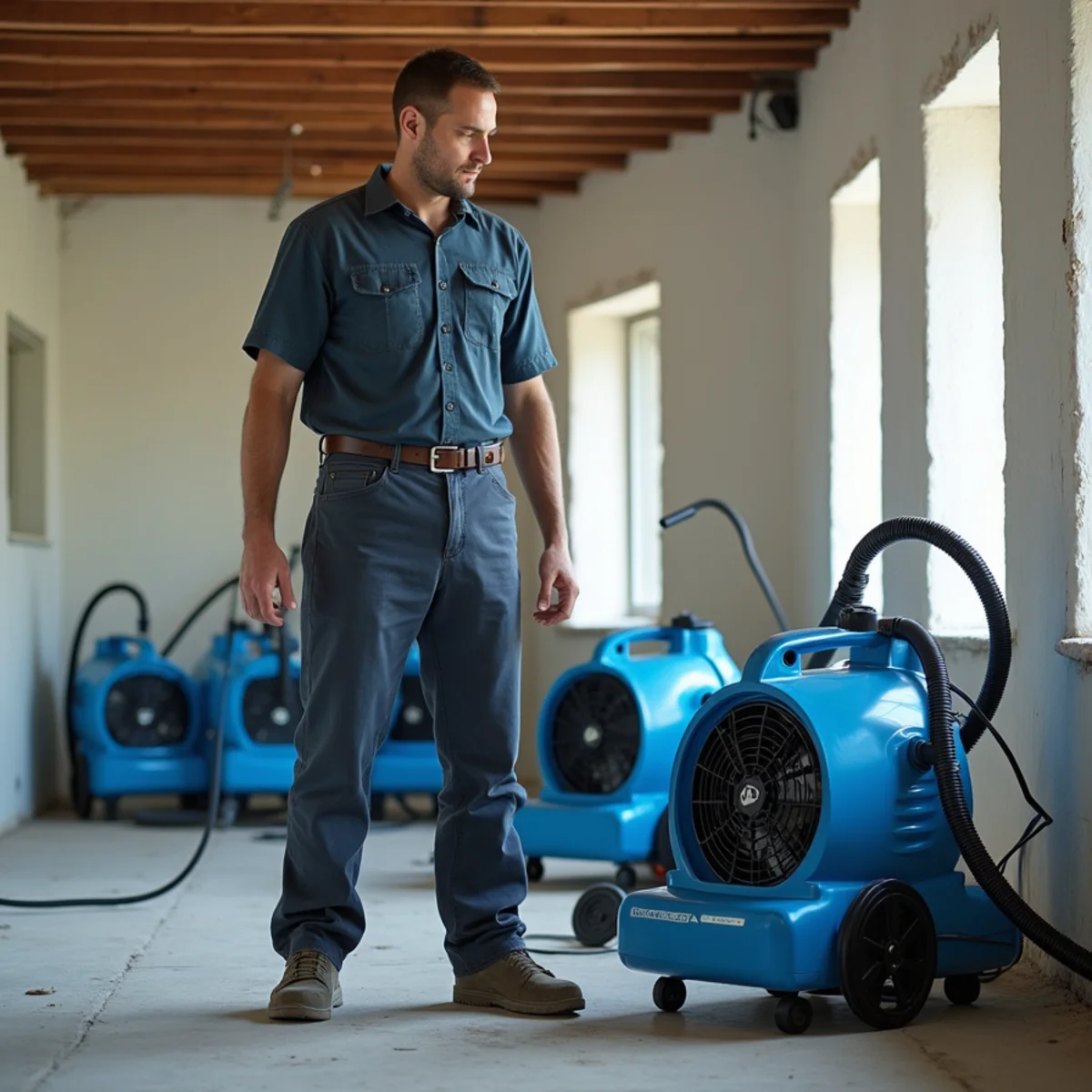
- Covered: Water extraction, commercial drying, and structural dehumidification
- Covered: Replacement of saturated drywall, insulation, and subflooring
- Covered: Replacement of damaged furniture, clothing, and personal belongings
- Often Excluded: The direct copper/PEX pipe repair fitting itself
- Excluded: Freeze damage occurring because the homeowner turned the furnace completely off while traveling
How to Build an Ironclad Documentation File
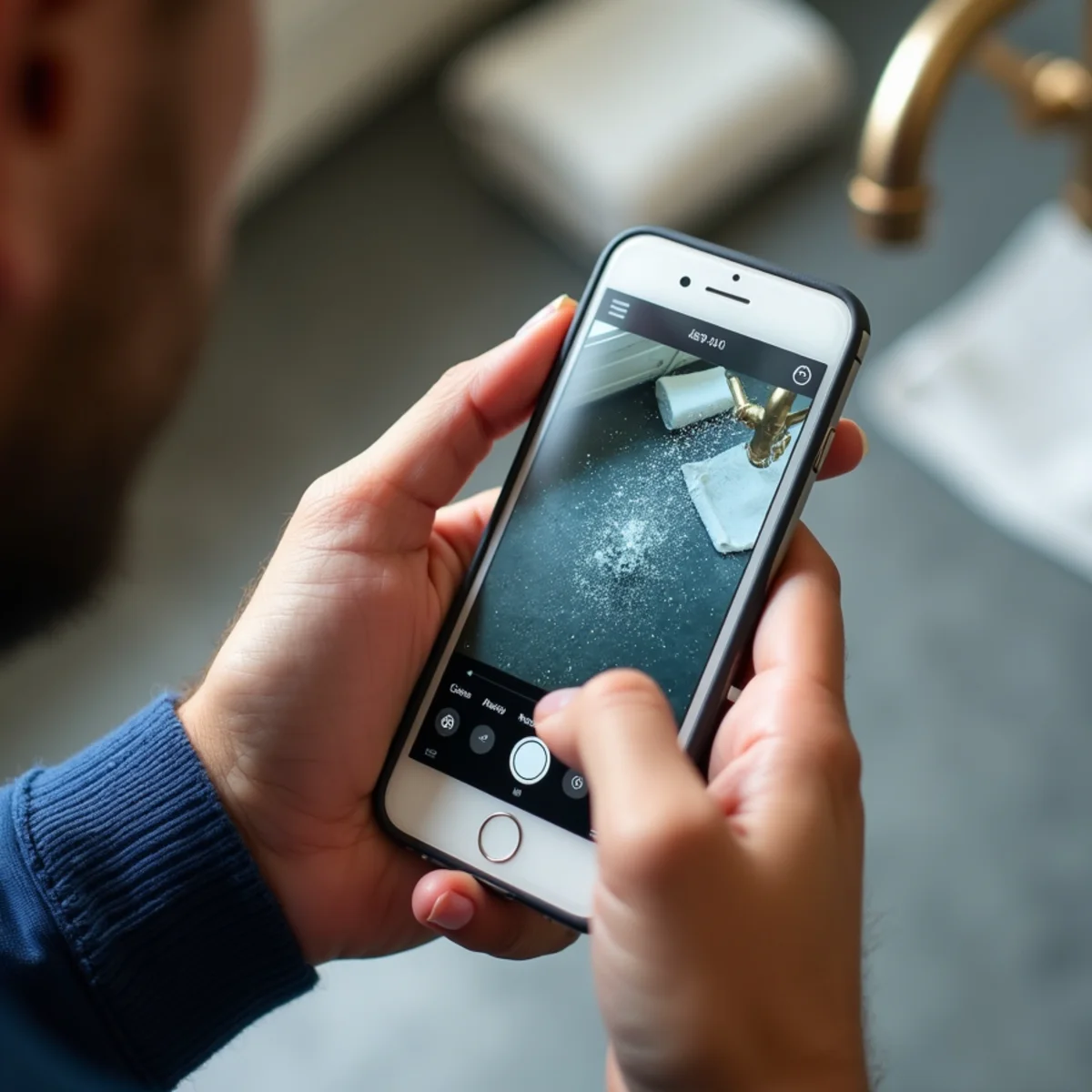
Insurance adjusters require evidence. Before cleaning up, take extensive photos and videos showing the ruptured pipe, water lines, ceiling stains, and every damaged item with model and serial numbers. Keep an accurate log of the date and exact hour the leak occurred.
Plumbing Ankeny provides comprehensive diagnostic invoices detailing the exact cause of the pipe split (thermal freeze expansion), the static pressure readings, and moisture meter readings to support your adjuster's report.
The 'Failure to Maintain Heat' Exclusion Clause: How Adjusters Investigate
Smart Thermostat Telemetry and Fuel Delivery Records in Insurance Denials
When an Iowa home suffers catastrophic burst pipe flooding while owners are traveling during winter, insurance adjusters immediately scrutinize the policy's 'heating maintenance' warranty clause. If the insurer determines that the property owner neglected to maintain reasonable heat (typically defined as keeping thermostats set to 55°F or higher), the entire multi-thousand-dollar claim can be lawfully denied.
Forensic insurance adjusters frequently pull utility usage records from MidAmerican Energy or smart thermostat logs (Nest, Ecobee) to confirm furnace operation preceding the freeze. To safeguard your coverage, always document that heat was active, have a trusted neighbor check the home every 48 hours, and consider installing an automatic smart water shut-off valve with temperature freeze sensors.
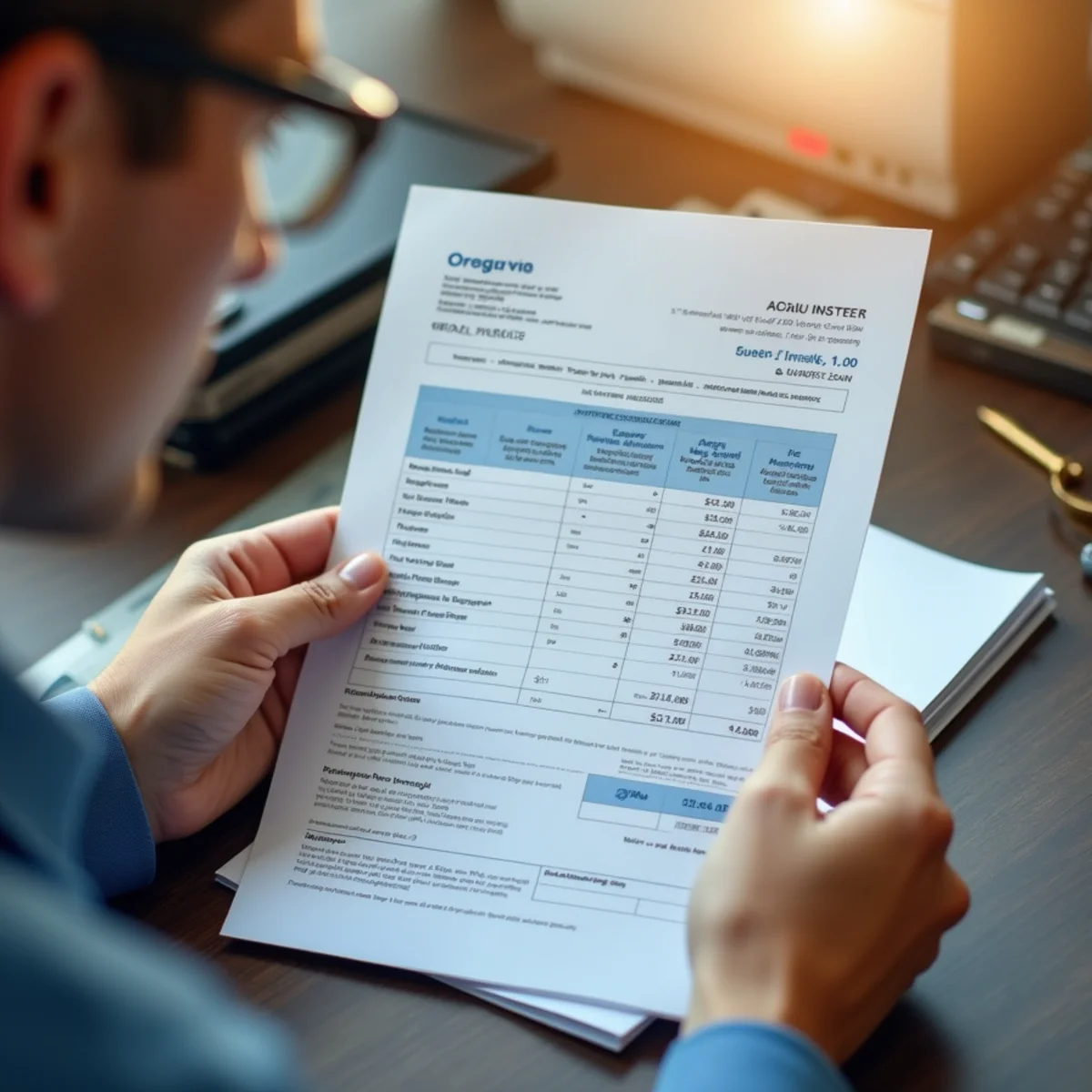
Documenting Your Plumbing Claim: Master Plumber Diagnostic Invoices
Differentiating Sudden Ruptures from Gradual Corrosion for Seamless Approvals
Insurance policies strictly cover 'sudden and accidental' physical loss, explicitly excluding losses stemming from gradual wear and tear, rust, or ongoing deferred maintenance. When water damage occurs, the wording on your plumbing contractor's invoice is critical.
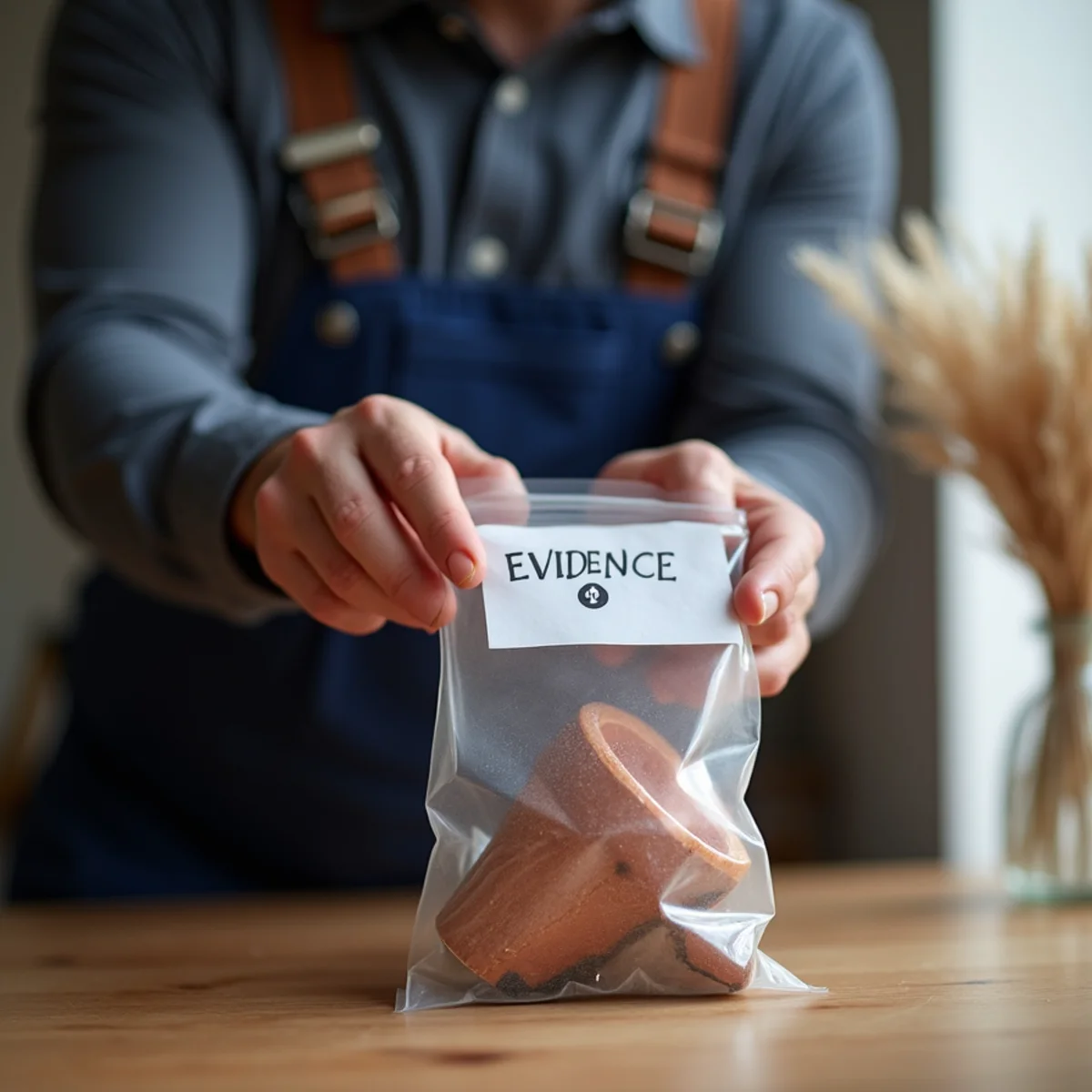
Our master plumbers provide comprehensive insurance-ready diagnostic reports that clearly establish the mechanical cause of loss—specifically distinguishing clean freeze ruptures and hydraulic thermal splits from long-term pinhole corrosion. We photograph the failure point, retain damaged pipe sections, and provide itemized line-item invoicing compatible with insurance estimating software.
Central Iowa Building Codes & Master Plumber Standards Compliance
Plumbing work across Ankeny, Des Moines, and Polk County must comply strictly with the Iowa Uniform Plumbing Code (UPC) and local municipal amendments. Whether addressing emergency water leaks, replacing aging water heaters, or repairing subterranean sewer laterals, unpermitted work or DIY shortcuts can void homeowner insurance policies and create serious safety hazards including toxic sewer gas leaks and combustion backdrafting.
Plumbing Ankeny operates under Iowa Master Plumber License #0038924. Our certified technicians carry $2,000,000 in liability coverage, pull all required municipal permits, and coordinate required city trade inspections directly, ensuring your home remains safe, code-compliant, and protected for years to come.
Central Iowa Homeowner Action & Diagnostic Matrix
Stage 1: Hazard Mitigation
Shut off local fixture valves or the main building shut-off near the water meter. Turn off electrical circuit breakers if standing water is present.
Stage 2: Diagnostic Scoping
Deploy calibrated digital pressure gauges, fiber-optic sewer cameras, or acoustic leak detectors to verify root causes without unnecessary demolition.
Stage 3: Permanent Resolution
Execute permanent repairs using Type-L copper, ASTM F1960 PEX-a expansion, or CIPP epoxy liners backed by our 1-year parts and labor warranty.
Frequently Asked Questions
Will insurance deny my claim if I was away from home when pipes froze?
Insurance companies can deny freeze claims if you failed to maintain heat (typically minimum 55°F) or shut off the main water supply while traveling. Always keep thermostat records and receipts.
Does insurance pay to fix the actual broken plumbing pipe?
Typically, insurance covers the secondary water damage (flooring, drywall, mold remediation, personal property), but may exclude the $200–$500 plumbing pipe repair itself as routine maintenance.
Does homeowners insurance pay for the broken plumbing pipe itself?
Generally, no. Most policies cover the resulting water damage (drywall, insulation, hardwood flooring, restoration drying), but consider the specific cracked or ruptured pipe to be a homeowner maintenance expense.
What deductible applies to winter burst pipe claims in Iowa?
Your standard property deductible applies (typically $1,000 to $2,500). Given that extensive indoor burst pipe floods frequently cost $15,000 to $40,000 in remediation, filing a claim is almost always financially warranted.
How quickly must I notify my insurance company after discovering a burst pipe?
Immediately. Standard Iowa policy conditions mandate prompt notice. Delays that allow standing water to form mold or cause secondary ceiling collapses can lead adjusters to reduce your final payout under the 'failure to mitigate damages' rule.