

When dealing with why older des moines homes have sewer problems, prompt action and strict adherence to Iowa plumbing standards are critical. Our licensed master plumbers recommend immediate isolation of active hazards, following code-compliant diagnostic steps, and scheduling a professional on-site evaluation before minor plumbing vulnerabilities escalate into structural property damage.
The Heritage Charm vs. Plumbing Reality in Des Moines
Des Moines is celebrated for its historic neighborhoods—from Beaverdale brick cottages and South of Grand estates to craftsman bungalows in the East Village. However, beneath the manicured lawns and historic brick streets lies an aging sewer infrastructure that is rapidly reaching its structural expiration date.
If your home was built before 1975, you are likely living with sewer materials that were never engineered to last a century.
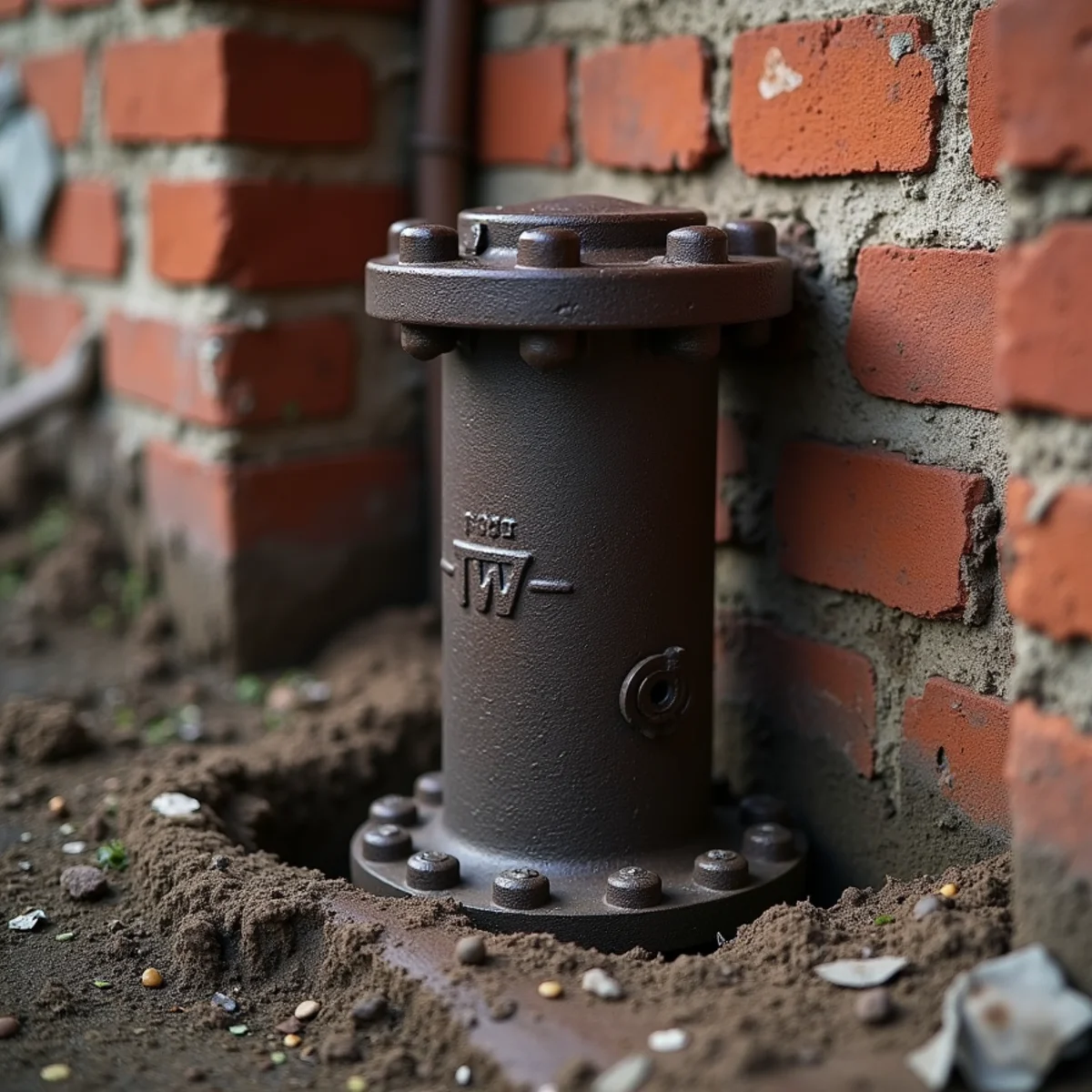
The 3 Major Historical Sewer Materials
1. Vitrified Clay Tile: Popular until the late 1960s, clay pipe was installed in short 2-foot to 3-foot sections. Every section has a joint sealed with mortar or tar. Over decades, shifting clay soil cracks these joints, allowing tree roots to penetrate and create chronic clogs.
2. Cast Iron Drainage Stacks: Durable and quiet, cast iron lasts 50 to 80 years. Eventually, sewer gases cause internal scaling and channel rust along the bottom of horizontal pipes, causing leaks and snagging waste.
3. Orangeburg (Bituminous Fiber): Used during post-war material shortages, Orangeburg pipe is essentially tar-soaked cardboard. Today, virtually all remaining Orangeburg lines in Central Iowa are blistered, flattened, or collapsed.
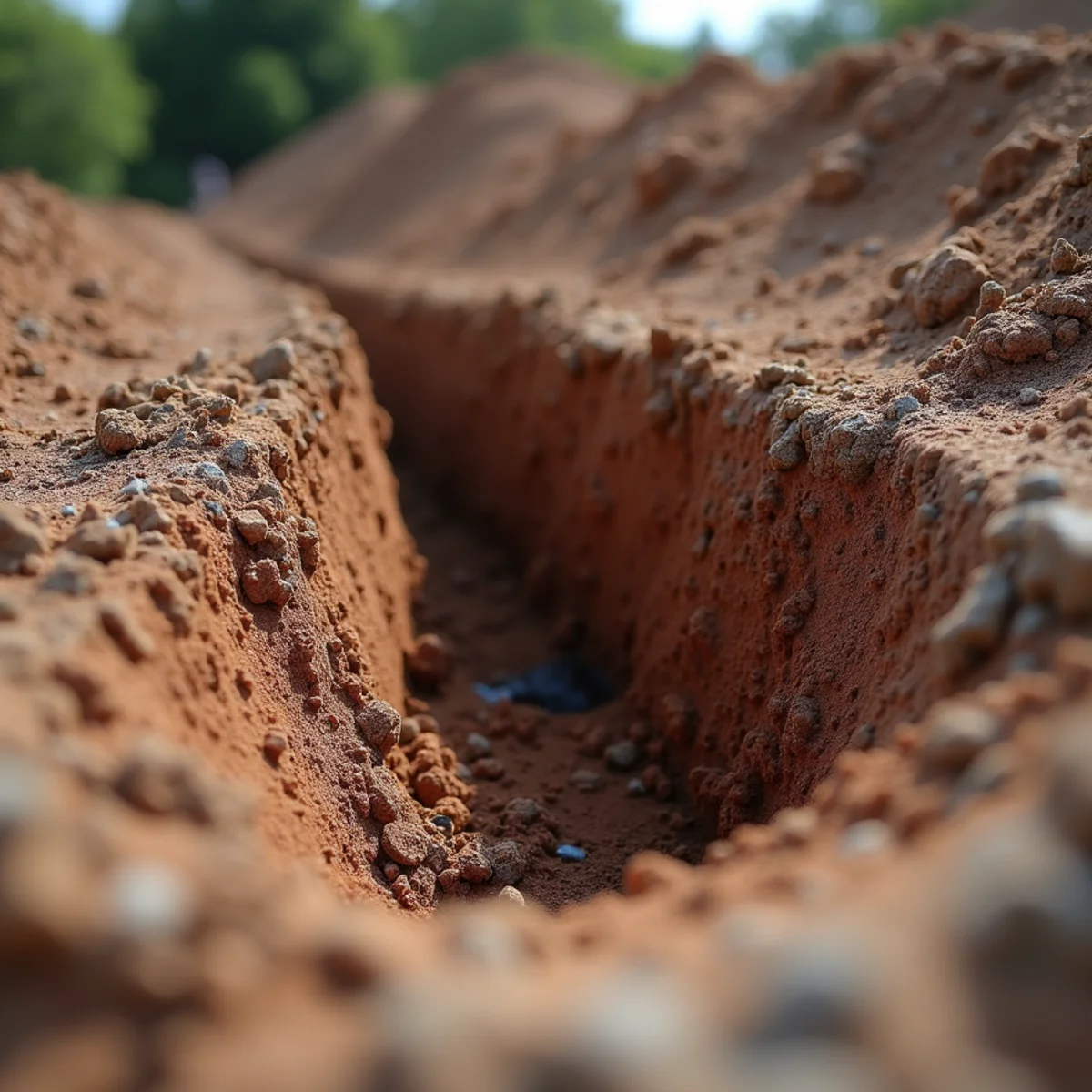
Modern Trenchless Rehabilitation for Historic Properties
Replacing a sewer line traditionally meant digging a massive trench across mature trees, stone retaining walls, and custom paver walkways. Plumbing Ankeny specializes in non-invasive trenchless CIPP epoxy lining.
We insert a resin-saturated liner through an existing cleanout, curing a seamless structural pipe that stops root intrusion permanently while preserving your historic landscaping. Call (831) 290-4327 to schedule a camera inspection.
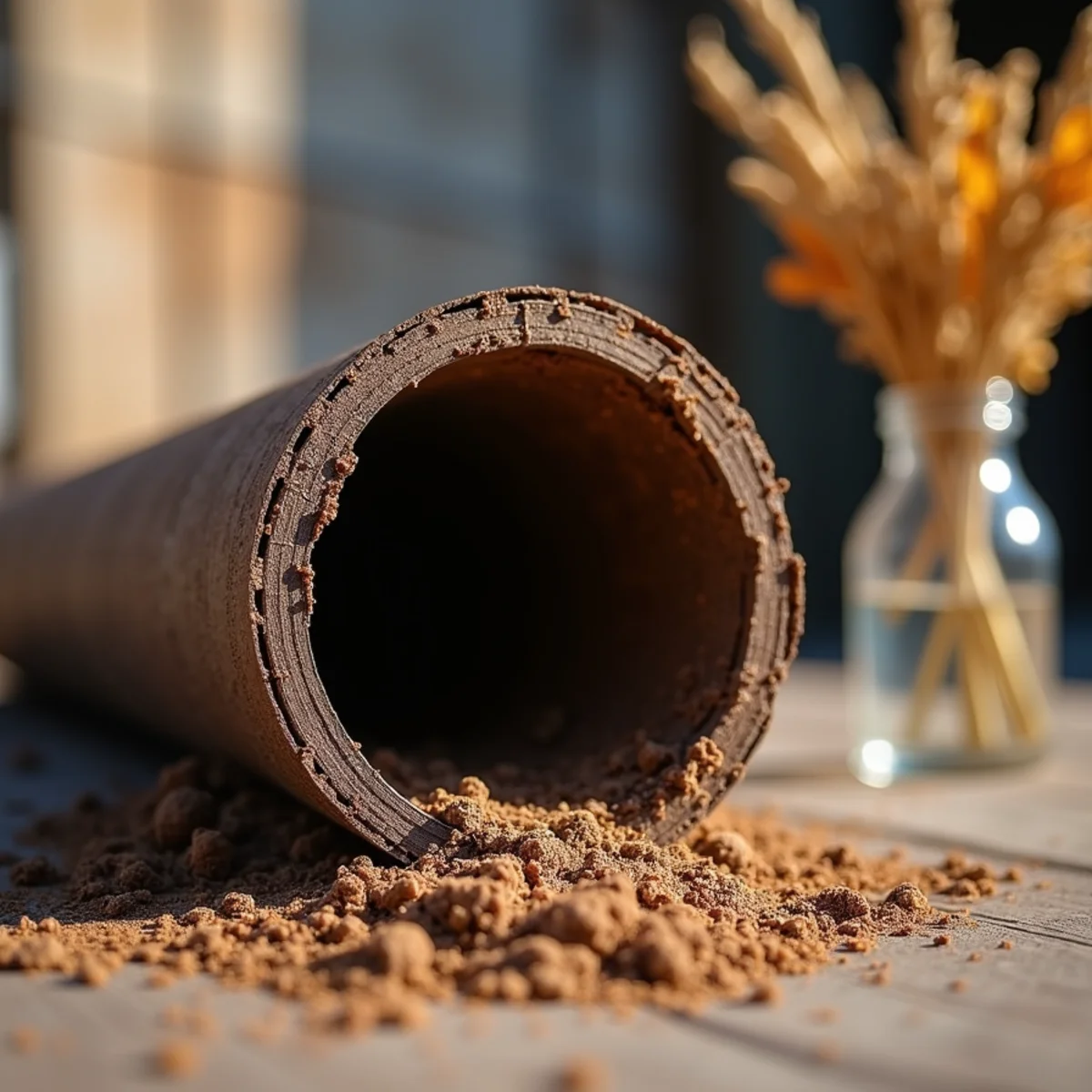
Historical Sewer Materials in Des Moines: Clay, Orangeburg, and Unlined Cast Iron
The Engineering Reality of Pre-1970 Underground Infrastructure
Older neighborhoods across the Des Moines metro—such as Beaverdale, Sherman Hill, Waterbury, and historic Uptown Ankeny—boast timeless architectural character. However, their underground sanitary sewer infrastructure is reaching the end of its engineered design life.
Homes constructed between 1900 and 1950 predominantly utilized Vitrified Clay Pipe (VCP) joined with mortar that has long since deteriorated, allowing rampant tree root intrusion. Post-war mid-century subdivisions frequently utilized bituminous pitch-impregnated wood fiber pipe, commonly known as 'Orangeburg.' After 50 years underground, Orangeburg absorbs moisture, delaminates, and completely pancakes under soil compaction.
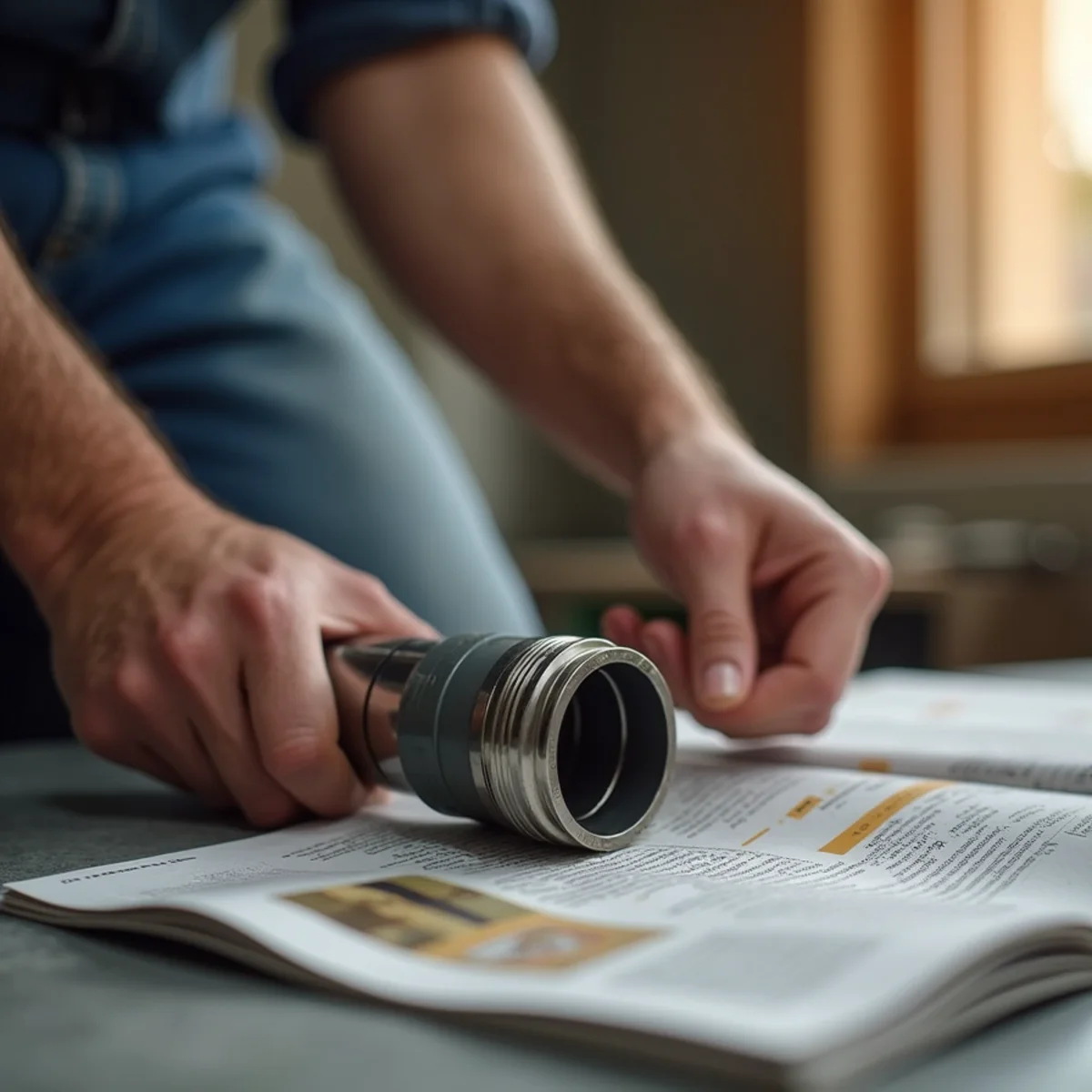
Trenchless Pipe Bursting vs. Slip-Lining for Historic Properties
Replacing Collapsed Laterals While Preserving Brick Walks and Mature Trees
For historic Des Moines homes featuring vintage brick driveways, century-old oak trees, and custom masonry porches, traditional trenching is destructive and heartbreaking. Our trenchless pipe bursting technology provides a seamless alternative.
A heavy pneumatic cutting head is pulled through the deteriorated old clay or Orangeburg pipe, breaking the old host line apart and expanding it into the surrounding soil. Simultaneously, it pulls a brand-new, continuous seamless High-Density Polyethylene (HDPE) pipe directly behind it. The result is a 100-year sewer lateral installed with minimal excavation pits.
Central Iowa Building Codes & Master Plumber Standards Compliance
Plumbing work across Ankeny, Des Moines, and Polk County must comply strictly with the Iowa Uniform Plumbing Code (UPC) and local municipal amendments. Whether addressing emergency water leaks, replacing aging water heaters, or repairing subterranean sewer laterals, unpermitted work or DIY shortcuts can void homeowner insurance policies and create serious safety hazards including toxic sewer gas leaks and combustion backdrafting.
Plumbing Ankeny operates under Iowa Master Plumber License #0038924. Our certified technicians carry $2,000,000 in liability coverage, pull all required municipal permits, and coordinate required city trade inspections directly, ensuring your home remains safe, code-compliant, and protected for years to come.
Central Iowa Homeowner Action & Diagnostic Matrix
Stage 1: Hazard Mitigation
Shut off local fixture valves or the main building shut-off near the water meter. Turn off electrical circuit breakers if standing water is present.
Stage 2: Diagnostic Scoping
Deploy calibrated digital pressure gauges, fiber-optic sewer cameras, or acoustic leak detectors to verify root causes without unnecessary demolition.
Stage 3: Permanent Resolution
Execute permanent repairs using Type-L copper, ASTM F1960 PEX-a expansion, or CIPP epoxy liners backed by our 1-year parts and labor warranty.
Frequently Asked Questions
What is Orangeburg sewer pipe and why does it fail?
Installed from the 1940s to 1970s, Orangeburg is made of compressed wood fibers impregnated with coal tar. Over decades, it absorbs moisture, deforms into an oval shape, and completely collapses.
Can clay sewer pipes in older Des Moines homes be lined without digging?
Yes! Trenchless CIPP lining works exceptionally well in clay tile pipes, creating a brand new structural epoxy pipe inside the existing clay without destroying historic landscaping.
How can I tell if my older Des Moines home has Orangeburg sewer pipes?
Orangeburg cannot be diagnosed from surface inspections alone. A licensed plumber must perform a video camera inspection; deformed, egg-shaped, or collapsed pipe walls are hallmark signs of deteriorating Orangeburg.
Are special municipal permits required for sewer work in Des Moines historic districts?
Yes. The City of Des Moines requires public works sewer excavation permits, and properties in designated historic preservation districts must adhere to specific right-of-way and restoration guidelines.
What is a 'Water Backup and Sump Overflow Rider' on homeowners insurance?
Standard insurance policies do not cover drain or sewer backups. A water backup rider is an optional, inexpensive endorsement that specifically covers damage caused by sewer backups and failed sump pumps in older basements.