
When dealing with protecting your pipes through an iowa polar vortex, prompt action and strict adherence to Iowa plumbing standards are critical. Our licensed master plumbers recommend immediate isolation of active hazards, following code-compliant diagnostic steps, and scheduling a professional on-site evaluation before minor plumbing vulnerabilities escalate into structural property damage.
Surviving the Extreme Freeze: Iowa Polar Vortex Reality
Every few winters, Central Iowa experiences an extreme weather event known as a polar vortex. Arctic air rushes south, plunging temperatures down to -15°F or -20°F with sustained 35-mph winds that strip heat from homes in minutes. In these extreme conditions, standard insulation often fails, and plumbing pipes freeze inside finished walls.
Here is the proven polar vortex protection checklist recommended by our licensed Iowa Master Plumbers.
The Critical 5-Step Extreme Cold Protocol
1. Maintain a Continuous Pencil-Lead Faucet Drip: Keep faucets served by exterior walls running at a steady, pencil-lead stream. Moving water takes longer to freeze, but more importantly, the open faucet relieves hydrostatic pressure, preventing bursts even if an ice plug forms.
2. Open All Sink Vanity and Cabinet Doors: Let your furnace's heated air circulate directly around pipes located under kitchen and bathroom sinks.
3. Never Lower Your Thermostat at Night: During a polar vortex, maintain a steady temperature (at least 68°F to 70°F) day and night. Lowering heat overnight can cause pipes to freeze before morning.
4. Disconnect Outdoor Hoses Immediately: Trapped water inside an attached garden hose freezes and splits the internal sillcock body inside your basement rim joist.
5. Seal Foundation Vents and Drafts: Use expanding foam or insulation to block cold drafts entering around dryer vents, hose bibbs, and rim joists.
Professional Winterization Support
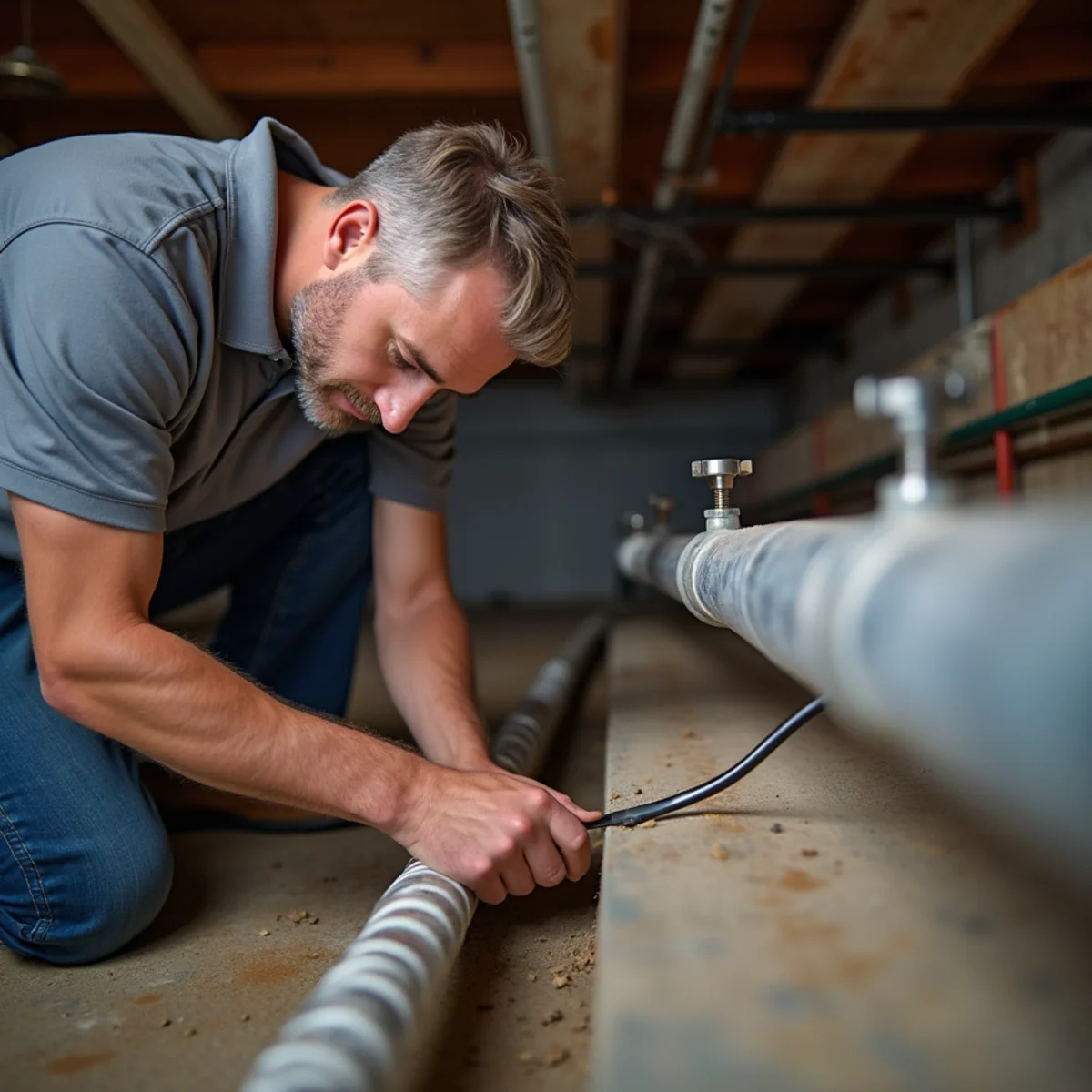
If you have pipes that freeze repeatedly every winter, Plumbing Ankeny can install self-regulating commercial heat trace cables, high-R-value closed-cell insulation, or reroute vulnerable lines to warm interior walls. Call (831) 290-4327 today.
Thermodynamic Vulnerabilities: Rim Joists, Cantilevers, and Crawlspaces
How Micro-Drafts Cause Sudden Freezes Even When Thermostats Are Set to 70°F
Homeowners are frequently baffled when kitchen or master bathroom pipes freeze even though their home heating system is maintaining 70°F ambient temperature. The culprit is almost always unsealed rim joists and exterior building cantilevers.
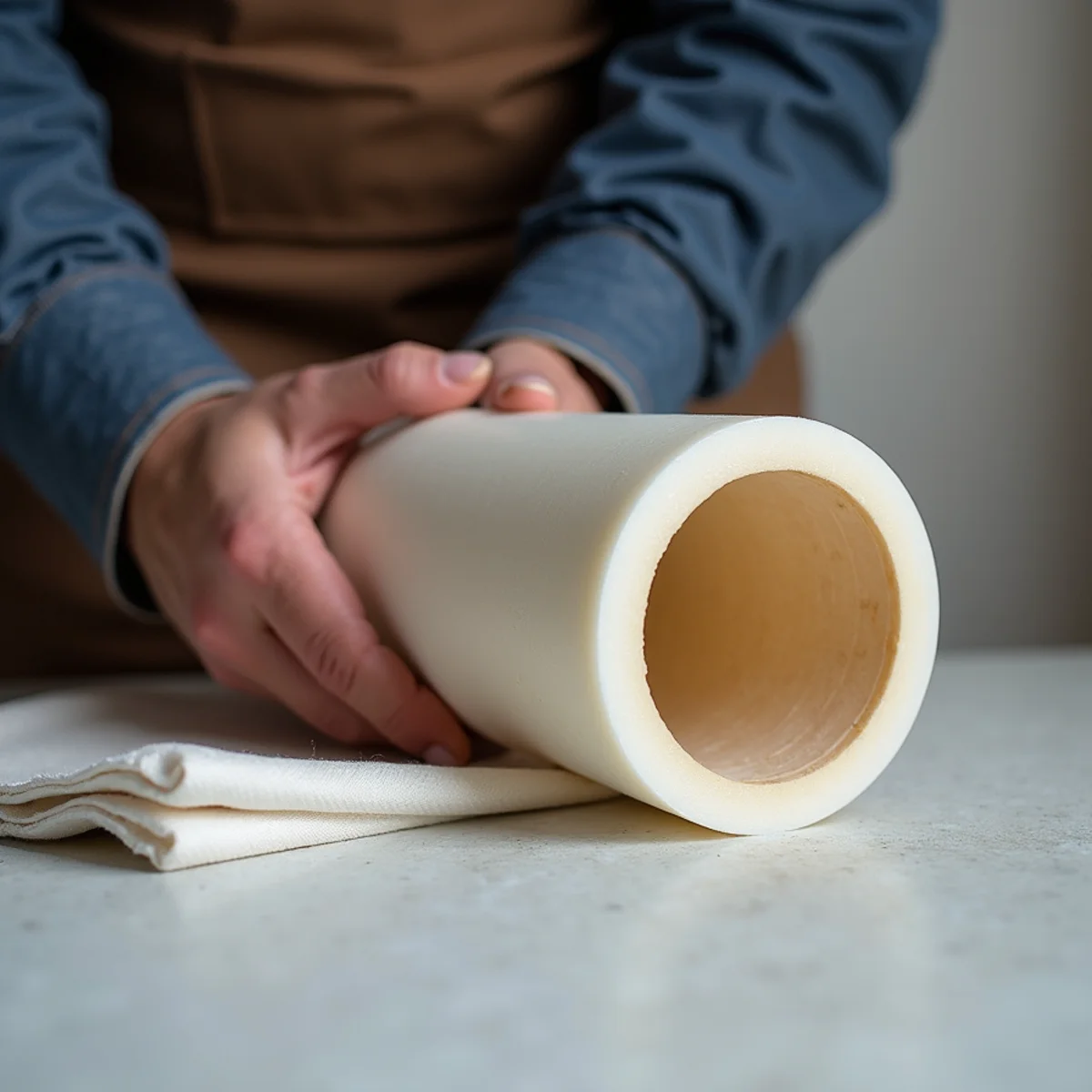
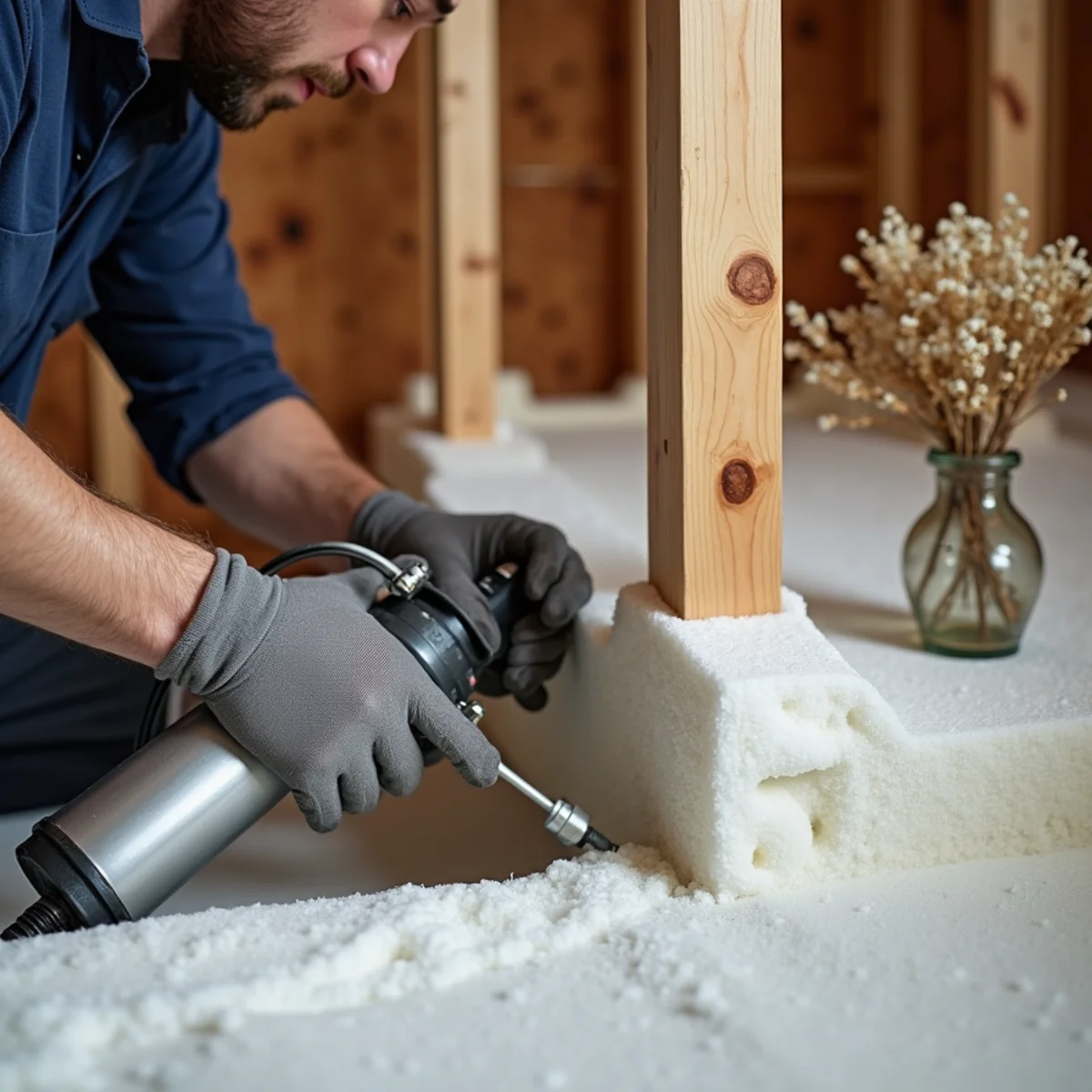
During winter polar vortexes with sustained 40-MPH northwest winds, sub-zero air infiltrates through tiny gaps in exterior siding, sill plates, and rim joist framing. This localized convective air current creates micro-drafts of -10°F directly across uninsulated water supply lines running through exterior wall bays. Sealing sill plates with expanding closed-cell foam insulation and wrapping pipes with thermal cellular pipe wrap stops localized freezing cold.
Frost-Proof Sillcock Geometry and Mandatory Hose Detachment
Why Leaving a Garden Hose Attached Destroys 'Freeze-Proof' Outdoor Faucets
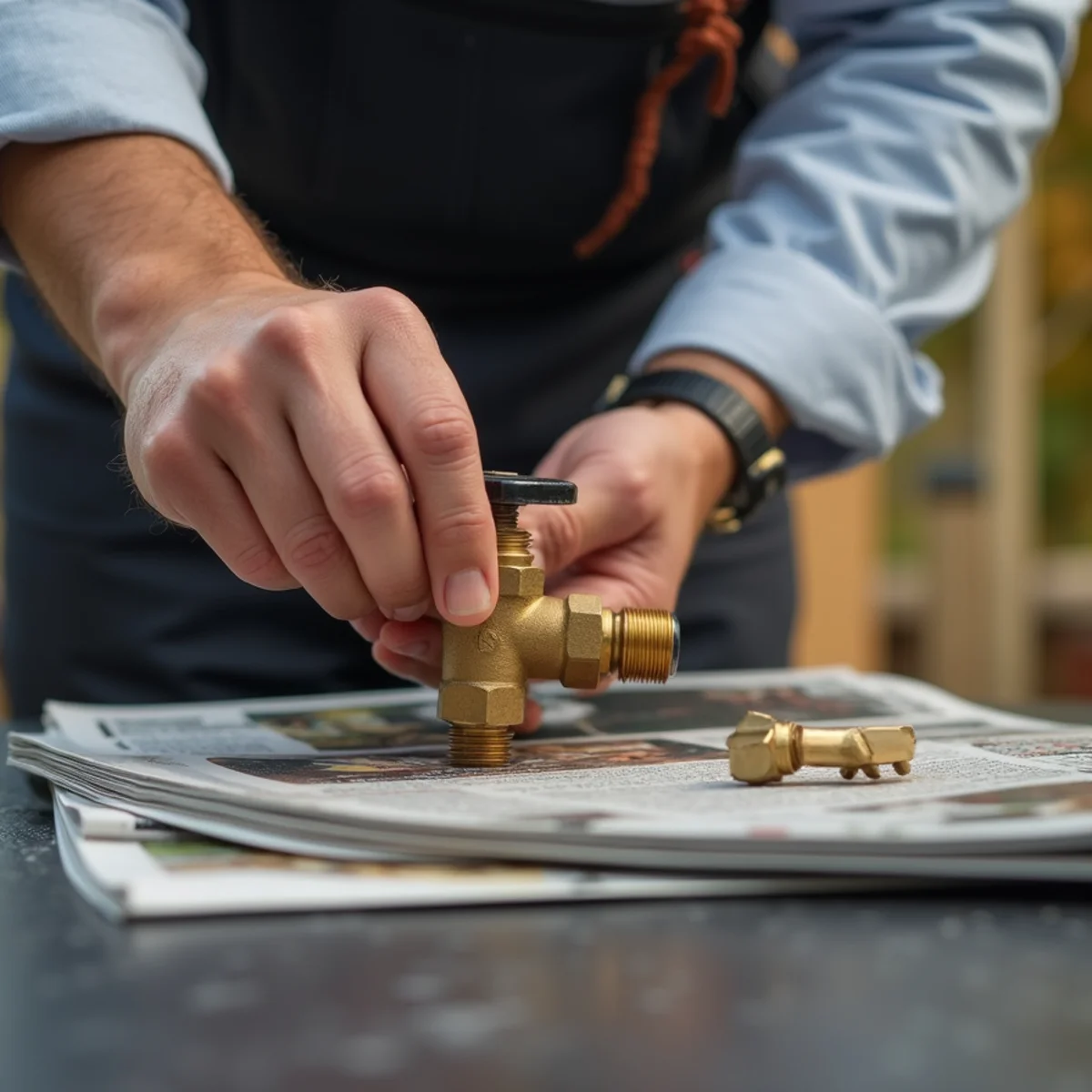
Modern homes throughout Ankeny and Central Iowa are equipped with 'frost-free' exterior hose bibs (sillcocks). These specialized fixtures feature an elongated 8- to 12-inch brass barrel that places the actual shut-off valve seat deep inside the heated basement wall cavity.
However, frost-free faucets only work if they can drain completely when shut off. If a homeowner leaves a garden hose, quick-connect coupler, or Y-splitter attached in the fall, trapped water cannot drain out of the barrel. When temperatures plummet, the trapped water freezes and splits the brass barrel inside your heated basement wall. The leak remains undetected until the first time you turn the spigot on in the spring, unleashing high-pressure indoor flooding.
Central Iowa Building Codes & Master Plumber Standards Compliance
Plumbing work across Ankeny, Des Moines, and Polk County must comply strictly with the Iowa Uniform Plumbing Code (UPC) and local municipal amendments. Whether addressing emergency water leaks, replacing aging water heaters, or repairing subterranean sewer laterals, unpermitted work or DIY shortcuts can void homeowner insurance policies and create serious safety hazards including toxic sewer gas leaks and combustion backdrafting.
Plumbing Ankeny operates under Iowa Master Plumber License #0038924. Our certified technicians carry $2,000,000 in liability coverage, pull all required municipal permits, and coordinate required city trade inspections directly, ensuring your home remains safe, code-compliant, and protected for years to come.
Central Iowa Homeowner Action & Diagnostic Matrix
Stage 1: Hazard Mitigation
Shut off local fixture valves or the main building shut-off near the water meter. Turn off electrical circuit breakers if standing water is present.
Stage 2: Diagnostic Scoping
Deploy calibrated digital pressure gauges, fiber-optic sewer cameras, or acoustic leak detectors to verify root causes without unnecessary demolition.
Stage 3: Permanent Resolution
Execute permanent repairs using Type-L copper, ASTM F1960 PEX-a expansion, or CIPP epoxy liners backed by our 1-year parts and labor warranty.
Frequently Asked Questions
Why does opening cabinet doors prevent pipes from freezing?
Plumbing under sinks on exterior walls is trapped in cold, uninsulated pockets. Opening cabinet doors allows warm 70°F room air to circulate around the pipes, keeping them above freezing.
Does dripping hot or cold water prevent freezing?
Dripping cold water is standard, but if a line is particularly vulnerable (like an exterior wall kitchen sink), dripping both hot and cold faucets slightly ensures water moves through both supply pipes.
At what exact outdoor temperature do pipes typically begin to freeze in Central Iowa?
Pipes located in uninsulated spaces (crawlspaces, exterior wall bays, garages) become vulnerable when sustained outdoor temperatures drop below 20°F, especially when accompanied by strong wind chills.
Should I keep under-sink cabinet doors open during an Iowa polar vortex?
Yes! Opening vanity and kitchen sink cabinet doors allows warm household air to circulate around supply pipes and P-traps located along cold exterior foundation walls.
Does letting a faucet drip actually prevent pipes from freezing?
Yes. Keeping a slight, steady trickle flowing releases trapped hydrostatic pressure inside the line and introduces continuously warmer groundwater (around 45°F-50°F) through the pipe, making it far harder for ice dams to freeze solid.