
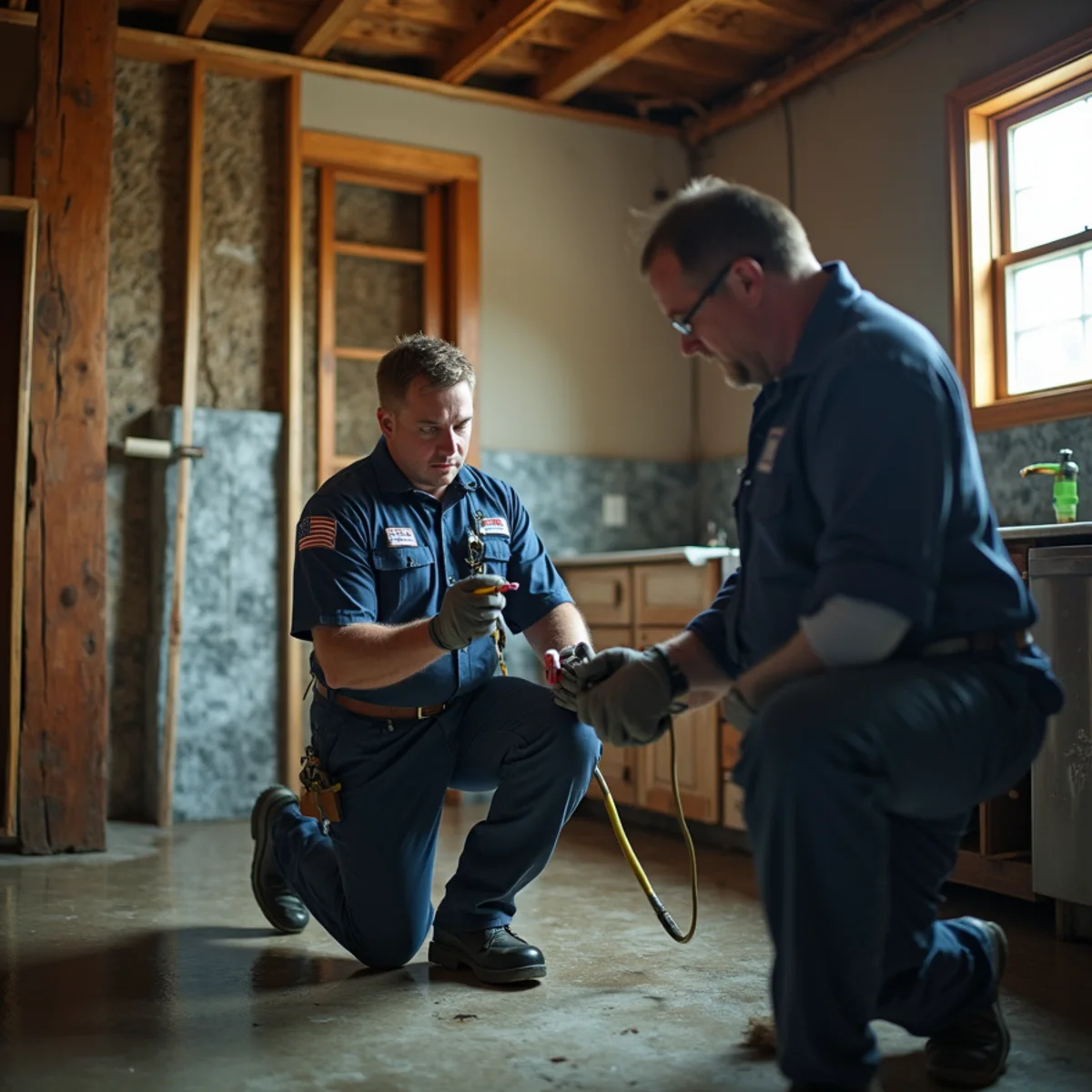
When dealing with wet basement after an iowa storm: what to do first, prompt action and strict adherence to Iowa plumbing standards are critical. Our licensed master plumbers recommend immediate isolation of active hazards, following code-compliant diagnostic steps, and scheduling a professional on-site evaluation before minor plumbing vulnerabilities escalate into structural property damage.
Why Central Iowa Storms Create Basement Flooding Emergencies
Iowa is known for severe spring thunderstorms and torrential summer downpours that drop 3 to 5 inches of rain in a few hours. In Central Iowa, our dense clay soils act like a sponge that quickly saturates. Once saturated, hydrostatic pressure builds up against concrete basement walls and beneath floor slabs, forcing water through hairline foundation cracks and cold joints.
If your sump pump fails during this critical window, inches of water can accumulate on your basement floor in under an hour. Here is what to do immediately.
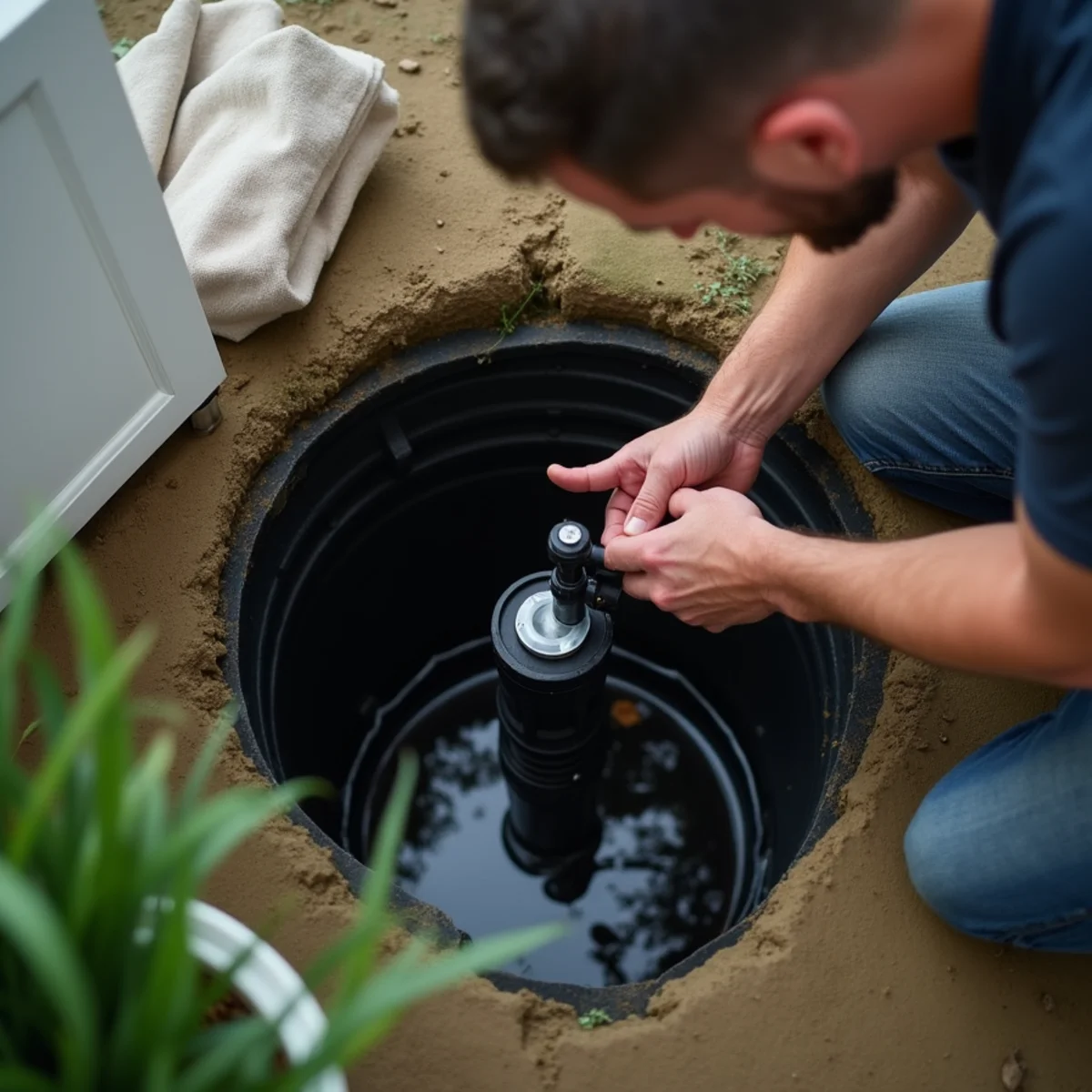
Step 1: Electrical Safety in a Flooded Basement
Before taking a single step into a wet basement, check the water level. If standing water has reached electrical extension cords, power strips, appliances, or low wall outlets, DO NOT enter the water. Water conducts electricity, posing severe electrocution danger.
If your electrical service panel is located upstairs or in an unaffected garage, shut off power to the basement circuits. If the panel is in the flooded area, call MidAmerican Energy or 911 for an emergency disconnect before proceeding.
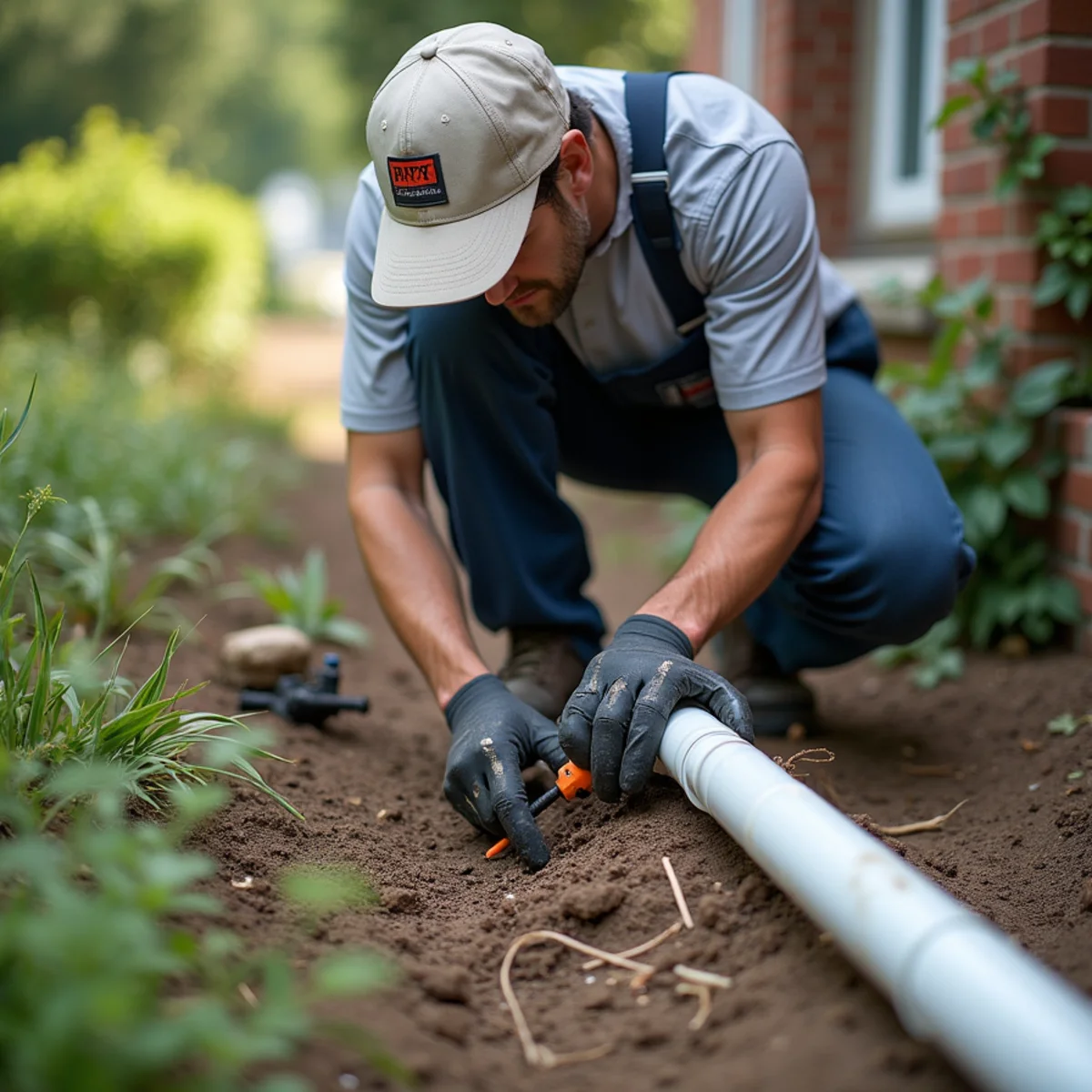
Step 2: Troubleshoot the Sump Pump
If the area is electrically safe, head directly to your sump basin. Inspect the float switch. Often, vibrations cause tethered or vertical floats to get pinned against the basin wall, preventing the pump from turning on. Gently jiggling the float rod may trigger the motor.
Next, listen closely. If the motor is humming loudly but not pumping water, the impeller may be jammed with construction gravel, or the weeping hole in the discharge pipe may be clogged, causing an airlock. If the power is out completely, a battery backup system is your only defense.
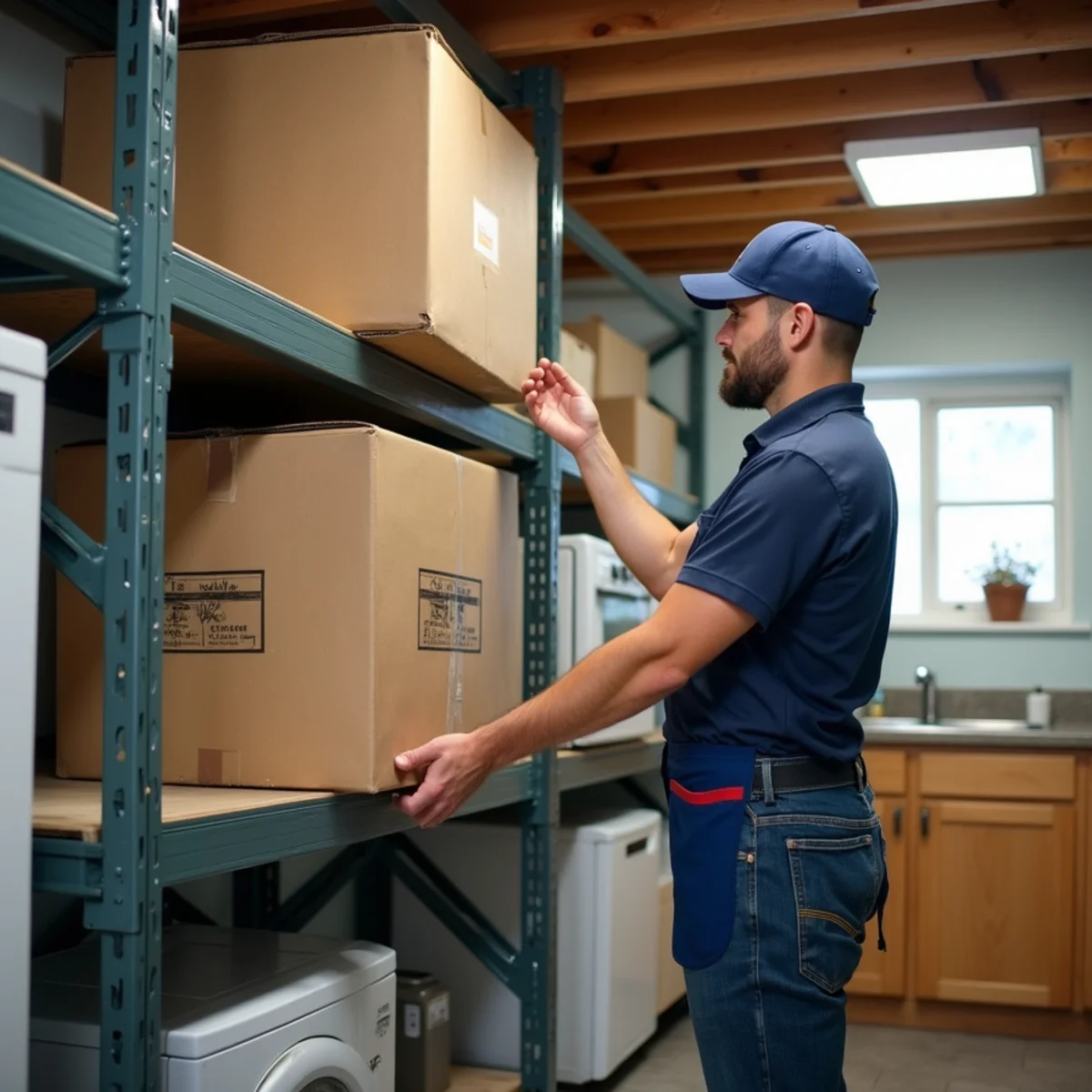
- Verify pump power cord is plugged into an active GFCI outlet
- Check whether the mechanical float switch is stuck against the pit wall
- Inspect the exterior discharge pipe to ensure water is ejecting away from the foundation
- Listen for humming motors indicating an airlock or jammed impeller
Step 3: Call Plumbing Ankeny for Emergency Pump Replacement
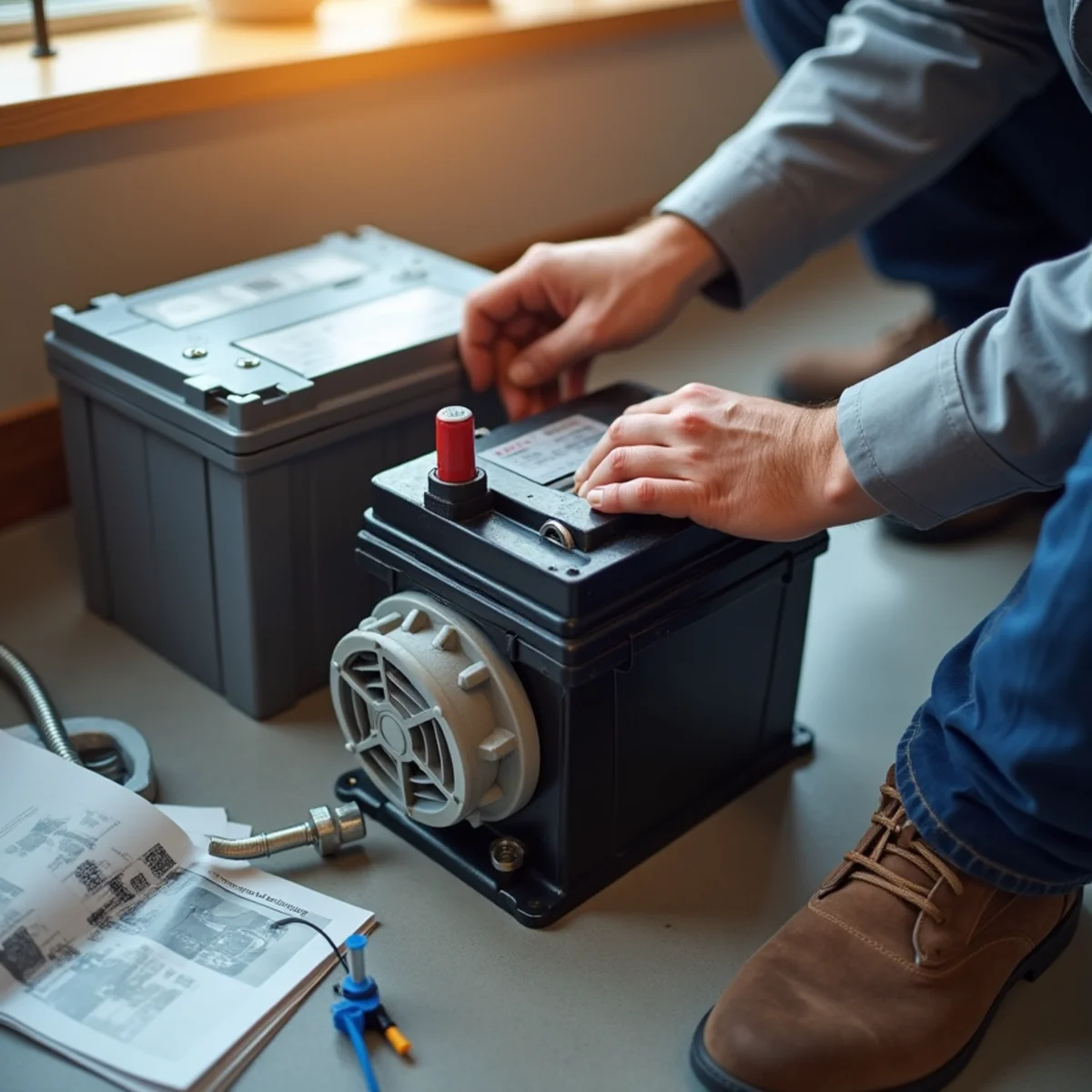
If your primary pump motor is burned out, call Plumbing Ankeny at (831) 290-4327. We carry heavy-duty 1/2 HP and 3/4 HP Zoeller and Liberty cast-iron pumps on our trucks, ready for immediate installation. We also install commercial dual-battery backup systems that guarantee flood protection even during extended power outages.
Hydrostatic Pressure and Soil Mechanics Around Central Iowa Foundations
How Dense Expansive Clay Soils Force Water Through Concrete Joints
Much of Central Iowa, particularly throughout Polk and Dallas counties, rests upon dense glacial till and expansive clay subsoils. When severe Midwest spring rainstorms saturate the topsoil, clay particles absorb water and expand dramatically, creating immense lateral and upward hydrostatic pressure against basement foundation walls and floor slabs.
Water naturally follows the path of least resistance. It forces its way through the cold pour cove joint (where the basement floor slab meets the foundation wall), hairline settlement cracks, and porous concrete blocks. Without an effective interior perimeter drain tile system to intercept this groundwater and channel it directly to a high-capacity sump pit, basement moisture intrusion is inevitable.
Sump Pump Capacity Engineering: GPH Sizing and Dual-Pump Battery Systems
Matching Pump Horsepower to Foundation Perimeter and Static Head Lift
A standard 1/3-horsepower builder-grade sump pump may suffice during gentle summer showers, but it will quickly overheat and fail during an intense 3-inch deluge when groundwater inflows exceed 2,500 gallons per hour. Sizing a pump requires calculating static head (the vertical height from the pit to the exterior discharge pipe) and frictional resistance.
Our master plumbers recommend installing primary 1/2-HP cast-iron submersible pumps paired with secondary dual-float battery backup units. Modern AGM or Lithium-iron-phosphate battery backup systems can pump over 10,000 gallons on a single charge during severe thunderstorm grid outages, keeping your basement completely dry.
Central Iowa Building Codes & Master Plumber Standards Compliance
Plumbing work across Ankeny, Des Moines, and Polk County must comply strictly with the Iowa Uniform Plumbing Code (UPC) and local municipal amendments. Whether addressing emergency water leaks, replacing aging water heaters, or repairing subterranean sewer laterals, unpermitted work or DIY shortcuts can void homeowner insurance policies and create serious safety hazards including toxic sewer gas leaks and combustion backdrafting.
Plumbing Ankeny operates under Iowa Master Plumber License #0038924. Our certified technicians carry $2,000,000 in liability coverage, pull all required municipal permits, and coordinate required city trade inspections directly, ensuring your home remains safe, code-compliant, and protected for years to come.
Central Iowa Homeowner Action & Diagnostic Matrix
Stage 1: Hazard Mitigation
Shut off local fixture valves or the main building shut-off near the water meter. Turn off electrical circuit breakers if standing water is present.
Stage 2: Diagnostic Scoping
Deploy calibrated digital pressure gauges, fiber-optic sewer cameras, or acoustic leak detectors to verify root causes without unnecessary demolition.
Stage 3: Permanent Resolution
Execute permanent repairs using Type-L copper, ASTM F1960 PEX-a expansion, or CIPP epoxy liners backed by our 1-year parts and labor warranty.
Frequently Asked Questions
Why does my sump pump run constantly during rainstorms?
In Ankeny's clay soils, heavy rain pools around foundations. If your pump runs continuously without cycling off, check for a stuck float switch, a broken check valve, or an exterior discharge line dumping water right back against your foundation wall.
How quickly must a wet basement be dried to stop mold?
The EPA recommends initiating extraction and commercial dehumidification within 24 to 48 hours to prevent toxic mold spores from colonizing drywall and subflooring.
Why is water seeping through the cove joint where my basement floor meets the wall?
Cove joint seepage is caused by hydrostatic pressure beneath your foundation slab. When the water table rises, trapped water forces its way up through this joint because concrete floor slabs are poured separately from footing walls.
How often should an Iowa sump pump run during a spring thunderstorm?
During a severe storm in Central Iowa's clay soils, an appropriately sized sump pump may cycle every 30 to 90 seconds. If it runs continuously without shutting off, you may have an undersized pump, a failing check valve, or an overwhelming water volume.
Can I legally discharge my sump pump into the sanitary sewer in Ankeny?
No. City of Ankeny municipal ordinances strictly prohibit discharging sump pump groundwater into the sanitary sewer system, as this overburdens sewage treatment plants. Discharge must be directed to exterior lawn drainage or municipal storm sewers.